



Understanding Solid Waste Incineration Kilns: A Comprehensive Guide
Solid waste incineration kilns play a pivotal role in the efficient disposal of waste materials, particularly in the manufacturing and construction sectors. These kilns are designed to burn solid waste at high temperatures, effectively converting waste into ash, flue gas, and heat. The process not only minimizes the volume of waste but also allows for the recovery of energy, making it an environme
Solid waste incineration kilns play a pivotal role in the efficient disposal of waste materials, particularly in the manufacturing and construction sectors. These kilns are designed to burn solid waste at high temperatures, effectively converting waste into ash, flue gas, and heat. The process not only minimizes the volume of waste but also allows for the recovery of energy, making it an environmentally friendly option for waste management.
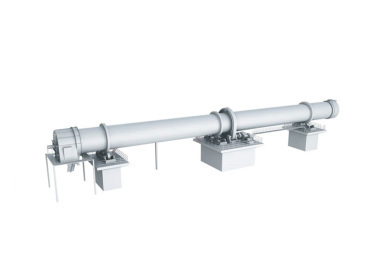
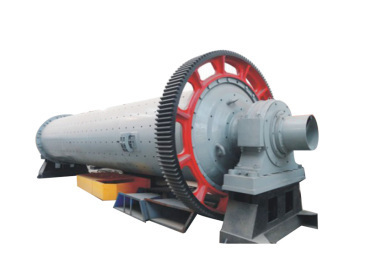
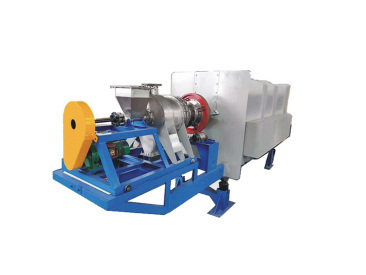
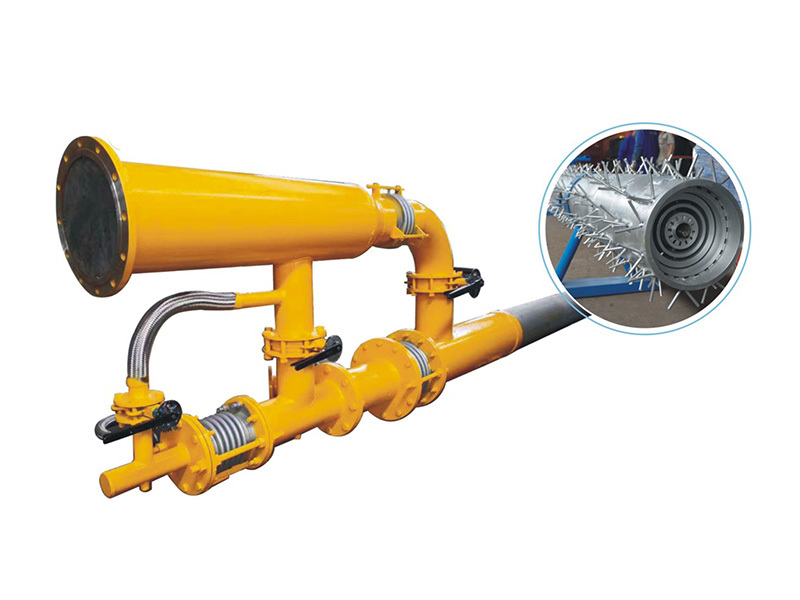
The design of a solid waste incineration kiln typically involves a combustion chamber where the waste is introduced and ignited. The chamber is engineered to maintain optimal temperatures, generally between 800°C to 1,200°C, to ensure complete combustion. This high-temperature environment is crucial for breaking down hazardous substances and preventing the release of toxic emissions. Advanced kilns incorporate multiple stages of combustion and can utilize air injection systems to enhance the combustion process, ensuring a more efficient and cleaner operation.
Operational efficiency is a vital aspect of solid waste incineration kilns. Professionals in the construction machinery sector should consider factors such as feed rate, moisture content of the waste, and the type of waste being processed. High moisture content can lead to incomplete combustion, resulting in increased emissions and reduced energy recovery. As such, pre-treatment processes may be necessary to optimize the waste material before it enters the kiln.
Energy recovery is another significant advantage of solid waste incineration kilns. The heat generated during combustion can be harnessed for electricity production or used for district heating. This process contributes to the circular economy by transforming waste into a valuable energy resource, thereby reducing reliance on fossil fuels. Implementing energy recovery systems not only supports sustainability goals but also enhances the economic viability of waste management operations.
Moreover, compliance with environmental regulations is crucial for the operation of solid waste incineration kilns. Operators must ensure that emissions from the kiln meet the standards set by environmental protection agencies. This often involves the installation of advanced air pollution control systems, such as scrubbers and filters, to mitigate the release of harmful substances into the atmosphere.
In conclusion, solid waste incineration kilns are an integral component of modern waste management practices, particularly in the manufacturing and construction industries. Understanding the technical intricacies of these kilns, including their design, operational efficiency, energy recovery potential, and regulatory compliance, is essential for professionals looking to implement effective waste disposal solutions. Embracing these technologies not only contributes to environmental sustainability but also fosters innovation within the sector.
Recommend Content

Essential Safety Measures for Operating Industrial Rotary Kilns
Essential Safety Measures for Operating Industrial Rotary Kilns
Industrial rotary kilns are vital components in the manufacturing and construction material processing industries. Due to their high temperatures and complex operations, it is crucial to implement effective safety measures to prevent accidents and ensure the well-being of workers. This article provides an in-depth exploration of essen

Contact Phone
Contact Us
E-mail: dingxinliu@dingxinequipment.com
Address: Industrial Park, Gaoshan Town, Xingyang City, Zhengzhou City, Henan Province
Online message
SAF Coolest v1.3.1.2 设置面板 GEUSD-ZGIY-FXSWE-AXE
违禁词: First, best, first-class, leading, unique, king, leader, leader, extreme,
无数据提示
Sorry, the current column is being updated, please pay attention!