



The Science Behind Ball Mills: Why They’re Crucial for Mining Success
The Science Behind Ball Mills: Why They’re Crucial for Mining Success
Table of Contents
1. Introduction to Ball Mills in Mining
2. What is a Ball Mill?
3. How Do Ball Mills Work?
4. Key Benefits of Ball Mills in Mining
5. Types of Ball Mills Used in Mining
6. Optimization Techniques for Ball Mill Efficiency
7. Safety Measures in Ball Mill Operations
8. The Future o
The Science Behind Ball Mills: Why They’re Crucial for Mining Success
Table of Contents
- 1. Introduction to Ball Mills in Mining
- 2. What is a Ball Mill?
- 3. How Do Ball Mills Work?
- 4. Key Benefits of Ball Mills in Mining
- 5. Types of Ball Mills Used in Mining
- 6. Optimization Techniques for Ball Mill Efficiency
- 7. Safety Measures in Ball Mill Operations
- 8. The Future of Ball Mills in the Mining Industry
- 9. FAQs about Ball Mills
- 10. Conclusion
1. Introduction to Ball Mills in Mining
Ball mills are essential components in the mining industry, particularly in the fields of mineral processing and ore grinding. Their primary role is to crush and grind materials, facilitating the extraction of valuable minerals. This article aims to delve into the science behind ball mills, exploring their construction, operation, and critical benefits in mining processes.
2. What is a Ball Mill?
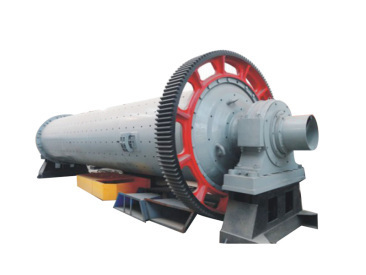
A ball mill is a type of grinder used to grind materials into extremely fine powder. It consists of a hollow cylindrical shell rotating about its axis, filled with balls (grinding media). The size of the balls can vary, depending on the material being processed and the desired particle size. Ball mills can be classified into two primary types: dry grinding and wet grinding, each serving a unique purpose in the mining industry.
2.1 Components of a Ball Mill
Understanding the components of a ball mill is crucial for appreciating its functionality. Key components include:
- **Shell**: The cylindrical part where the material and grinding media are contained.
- **End Covers**: These enclose the ends of the shell and facilitate the entry and exit of materials.
- **Grinding Media**: Typically made of steel, ceramic, or rubber, these balls are responsible for grinding the material.
- **Drive System**: Comprising motors and gears, this system rotates the shell.
3. How Do Ball Mills Work?
Ball mills operate on the principle of impact and attrition. As the shell rotates, the grinding media rises to a certain height and then falls, impacting the material at the bottom. This process breaks down the material into smaller particles, facilitating mineral extraction.
3.1 The Grinding Process
The milling process begins with the introduction of raw materials into the mill. As the mill rotates, the grinding media collide with the material, effectively breaking it apart. The efficiency of this process depends on several factors, including the size of the balls, the speed of the mill, and the type of material being processed.
3.2 Factors Influencing Ball Mill Performance
Key factors that influence the performance and efficiency of ball mills include:
- **Ball Size**: Larger balls are effective for breaking larger particles, while smaller balls excel at finer grinding.
- **Mill Speed**: The speed at which the mill rotates affects the impact force and grinding efficiency.
- **Material Properties**: The hardness and density of the material being processed play significant roles in determining grinding efficiency.
4. Key Benefits of Ball Mills in Mining
Ball mills provide numerous advantages in the mining sector that significantly contribute to operational success.
4.1 Enhanced Material Reduction
Ball mills are particularly effective at finely grinding materials, allowing for a more efficient extraction of minerals. The ability to achieve a consistent particle size is crucial in mineral processing.
4.2 Versatility
Ball mills can accommodate a wide range of materials and are adaptable to various grinding processes. This versatility makes them suitable for different mining applications.
4.3 Improved Energy Efficiency
Modern ball mills are designed to be energy efficient, reducing operational costs and environmental impact. Innovations such as variable frequency drives enable precise control over the milling process, optimizing energy consumption.
5. Types of Ball Mills Used in Mining
There are several types of ball mills used in the mining industry, each serving specific purposes based on operational requirements.
5.1 Overflow Ball Mills
These mills allow the discharge of ground materials over the top, making them suitable for applications where fine grinding is required.
5.2 Grate Ball Mills
Grate ball mills feature a grate at the discharge end, capturing the ground material while allowing unground material to remain in the mill for further processing.
5.3 Vertical Ball Mills
Vertical ball mills are designed with a vertical orientation, offering benefits in terms of space efficiency and ease of maintenance.
6. Optimization Techniques for Ball Mill Efficiency
Optimizing ball mill operations can lead to significant improvements in productivity and efficiency. Here are some techniques to consider:
6.1 Regular Maintenance
Scheduled maintenance helps to keep the mill in optimal working condition, reducing downtime and extending its lifespan.
6.2 Monitoring and Control Systems
Implementing advanced monitoring systems allows operators to track performance metrics in real time, facilitating swift adjustments to improve efficiency.
6.3 Adjusting Operating Parameters
Fine-tuning parameters such as feed rate, speed, and ball size can enhance grinding performance and reduce energy consumption.
7. Safety Measures in Ball Mill Operations
Safety is paramount in mining operations. Implementing safety measures in ball mill operations ensures the well-being of workers and the environment.
7.1 Personal Protective Equipment (PPE)
All personnel involved in ball mill operations should wear appropriate PPE, including helmets, gloves, and hearing protection.
7.2 Operational Protocols
Establishing clear operational protocols helps mitigate risks associated with ball mill operations. Regular training and safety drills should be conducted to ensure adherence to protocols.
7.3 Emergency Response Plans
Having a comprehensive emergency response plan in place can effectively address incidents, minimizing potential harm and damage.
8. The Future of Ball Mills in the Mining Industry
The future of ball mills in mining looks promising, with advancements in technology driving innovation. We can expect to see increased automation, improved energy efficiency, and the integration of smart technologies, enhancing operational efficiency and environmental sustainability.
9. FAQs about Ball Mills
9.1 What is the primary function of a ball mill?
The primary function of a ball mill is to grind materials into fine powder, facilitating the extraction of valuable minerals in mining.
9.2 How does the size of the grinding media affect the milling process?
The size of the grinding media influences the impact force and grinding efficiency; larger balls are better for coarser materials, while smaller balls excel in fine grinding.
9.3 What are the main types of ball mills used in the mining industry?
The main types of ball mills used in the mining industry include overflow ball mills, grate ball mills, and vertical ball mills.
9.4 How can ball mill efficiency be optimized?
Ball mill efficiency can be optimized through regular maintenance, monitoring and control systems, and adjusting operating parameters.
9.5 What safety measures should be taken during ball mill operations?
Essential safety measures include providing personal protective equipment (PPE), establishing operational protocols, and having emergency response plans in place.
10. Conclusion
Ball mills are indispensable in the mining industry, providing critical functionality in mineral processing. Their ability to grind materials efficiently while offering versatility and energy savings makes them a preferred choice among mining operations. As technology advances, we anticipate new innovations that will further enhance the effectiveness of ball mills in achieving mining success. Understanding the science behind these machines not only equips mining professionals with valuable insights but also paves the way for future improvements, ensuring the continued relevance of ball mills in the industry.
Previous
Recommend Content

The Science Behind Ball Mills: Why They’re Crucial for Mining Success
The Science Behind Ball Mills: Why They’re Crucial for Mining Success
Table of Contents
1. Introduction to Ball Mills in Mining
2. What is a Ball Mill?
3. How Do Ball Mills Work?
4. Key Benefits of Ball Mills in Mining
5. Types of Ball Mills Used in Mining
6. Optimization Techniques for Ball Mill Efficiency
7. Safety Measures in Ball Mill Operations
8. The Future o


Contact Phone
Contact Us
E-mail: dingxinliu@dingxinequipment.com
Address: Industrial Park, Gaoshan Town, Xingyang City, Zhengzhou City, Henan Province
Online message
SAF Coolest v1.3.1.2 设置面板 GEUSD-ZGIY-FXSWE-AXE
违禁词: First, best, first-class, leading, unique, king, leader, leader, extreme,
无数据提示
Sorry, the current column is being updated, please pay attention!