



Understanding High Temperature Rotary Kilns: Essential Insights for the Manufacturing Industry
High Temperature Rotary Kilns are a vital element in the manufacturing sector, particularly in the processing of building materials. These kilns operate at elevated temperatures, typically exceeding 1000 degrees Celsius, which allows for the transformation of various raw materials into usable products through processes like calcination, sintering, and fired brick production. A thorough understandi
High Temperature Rotary Kilns are a vital element in the manufacturing sector, particularly in the processing of building materials. These kilns operate at elevated temperatures, typically exceeding 1000 degrees Celsius, which allows for the transformation of various raw materials into usable products through processes like calcination, sintering, and fired brick production. A thorough understanding of their operation, applications, and benefits can greatly enhance manufacturing efficiency and product quality.
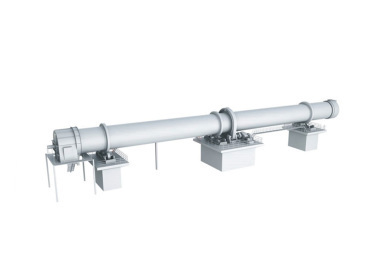
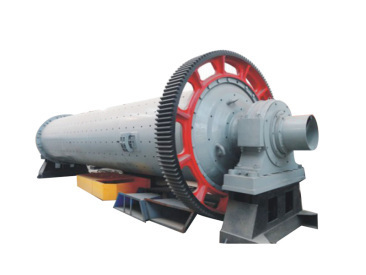
The design of High Temperature Rotary Kilns is critical for their functionality. They consist of a cylindrical shell that rotates on its axis. This rotation facilitates the movement of materials through the kiln, ensuring even heating and uniform processing. The kiln is typically lined with high-temperature-resistant bricks or materials that can withstand the extreme conditions inside. This design not only enhances thermal efficiency but also improves the longevity of the kiln.
In terms of applications, High Temperature Rotary Kilns are predominantly used for the production of cement, lime, and other minerals. For cement manufacturing, kilns facilitate the conversion of raw meal into clinker through the application of intense heat, which is essential for achieving the desired chemical reactions. Similarly, in lime production, limestone is thermally decomposed to produce quicklime, an essential component in various industrial processes.
The operational efficiency of High Temperature Rotary Kilns is influenced by several factors, including fuel type, feed rate, and temperature control. For optimal performance, maintaining the appropriate temperature profile is crucial. Temperature variations can lead to inconsistent product quality and increased energy consumption. Advanced monitoring systems and automated controls are often employed to ensure precise temperature regulation, which is key to maximizing productivity and minimizing operational costs.
Moreover, environmental considerations are becoming increasingly important in the operation of High Temperature Rotary Kilns. The industry is moving towards greener alternatives, with technologies aimed at reducing emissions and improving energy efficiency. Implementing effective pollution control measures not only helps in compliance with regulations but also contributes to sustainable manufacturing practices.
In conclusion, High Temperature Rotary Kilns play a pivotal role in the manufacturing of building materials, and understanding their operation and applications can lead to improved efficiency and product quality. By focusing on optimal design, temperature management, and environmental considerations, manufacturers can leverage the capabilities of these kilns to enhance their production processes. As the industry evolves, staying informed about advancements in kiln technology will be essential for maintaining a competitive edge.
The design of High Temperature Rotary Kilns is critical for their functionality. They consist of a cylindrical shell that rotates on its axis. This rotation facilitates the movement of materials through the kiln, ensuring even heating and uniform processing. The kiln is typically lined with high-temperature-resistant bricks or materials that can withstand the extreme conditions inside. This design not only enhances thermal efficiency but also improves the longevity of the kiln.
In terms of applications, High Temperature Rotary Kilns are predominantly used for the production of cement, lime, and other minerals. For cement manufacturing, kilns facilitate the conversion of raw meal into clinker through the application of intense heat, which is essential for achieving the desired chemical reactions. Similarly, in lime production, limestone is thermally decomposed to produce quicklime, an essential component in various industrial processes.
The operational efficiency of High Temperature Rotary Kilns is influenced by several factors, including fuel type, feed rate, and temperature control. For optimal performance, maintaining the appropriate temperature profile is crucial. Temperature variations can lead to inconsistent product quality and increased energy consumption. Advanced monitoring systems and automated controls are often employed to ensure precise temperature regulation, which is key to maximizing productivity and minimizing operational costs.
Moreover, environmental considerations are becoming increasingly important in the operation of High Temperature Rotary Kilns. The industry is moving towards greener alternatives, with technologies aimed at reducing emissions and improving energy efficiency. Implementing effective pollution control measures not only helps in compliance with regulations but also contributes to sustainable manufacturing practices.
In conclusion, High Temperature Rotary Kilns play a pivotal role in the manufacturing of building materials, and understanding their operation and applications can lead to improved efficiency and product quality. By focusing on optimal design, temperature management, and environmental considerations, manufacturers can leverage the capabilities of these kilns to enhance their production processes. As the industry evolves, staying informed about advancements in kiln technology will be essential for maintaining a competitive edge.
Recommend Content

Understanding High Temperature Rotary Kilns: Essential Insights for the Manufacturing Industry
High Temperature Rotary Kilns are a vital element in the manufacturing sector, particularly in the processing of building materials. These kilns operate at elevated temperatures, typically exceeding 1000 degrees Celsius, which allows for the transformation of various raw materials into usable products through processes like calcination, sintering, and fired brick production. A thorough understandi


Contact Phone
Contact Us
E-mail: dingxinliu@dingxinequipment.com
Address: Industrial Park, Gaoshan Town, Xingyang City, Zhengzhou City, Henan Province
Online message
SAF Coolest v1.3.1.2 设置面板 GEUSD-ZGIY-FXSWE-AXE
违禁词: First, best, first-class, leading, unique, king, leader, leader, extreme,
无数据提示
Sorry, the current column is being updated, please pay attention!