



How to Optimize Fuel Consumption in Your Rotary Kiln: A Comprehensive Guide
How to Optimize Fuel Consumption in Your Rotary Kiln: A Comprehensive Guide
Table of Contents
1. Introduction to Rotary Kilns and Their Importance in Industry
2. Understanding Fuel Consumption in Rotary Kilns
3. Key Factors Influencing Fuel Efficiency
3.1. Kiln Design and Geometry
3.2. Type of Fuel Used
3.3. Operational Parameters
3.4. Material Characteristics
4. Strategies to Op
How to Optimize Fuel Consumption in Your Rotary Kiln: A Comprehensive Guide
Table of Contents
1. Introduction to Rotary Kilns and Their Importance in Industry
2. Understanding Fuel Consumption in Rotary Kilns
3. Key Factors Influencing Fuel Efficiency
3.1. Kiln Design and Geometry
3.2. Type of Fuel Used
3.3. Operational Parameters
3.4. Material Characteristics
4. Strategies to Optimize Fuel Consumption
4.1. Optimize Combustion Efficiency
4.2. Implement Advanced Control Systems
4.3. Regular Maintenance and Inspections
4.4. Use of Waste Heat Recovery Systems
5. The Role of Alternative Fuels in Reducing Costs
6. Case Studies: Successful Fuel Optimization in Rotary Kilns
7. Frequently Asked Questions
8. Conclusion: The Path Towards Fuel Efficiency
1. Introduction to Rotary Kilns and Their Importance in Industry
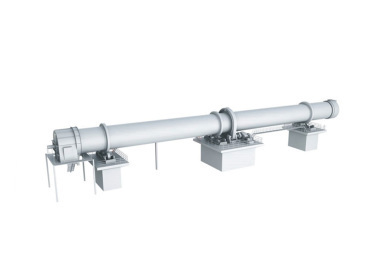
Rotary kilns play a crucial role in various industrial processes, particularly in the cement, lime, and ceramics manufacturing sectors. These cylindrical vessels allow for the efficient heating, calcining, and sintering of materials, where precise temperature control and fuel management are vital for success. With rising fuel costs and increased environmental regulations, optimizing fuel consumption has become a top priority for manufacturers aiming for sustainability and cost-efficiency.
2. Understanding Fuel Consumption in Rotary Kilns
Fuel consumption in a rotary kiln is determined by several factors, including the type of fuel used, kiln design, and the nature of the materials being processed. Understanding these elements is essential to implement effective optimization strategies that can lead to significant reductions in energy costs and environmental impact.
3. Key Factors Influencing Fuel Efficiency
To effectively optimize fuel consumption, it’s imperative to acknowledge the various factors that can affect efficiency.
3.1. Kiln Design and Geometry
The design and geometry of a rotary kiln directly influence its operational efficiency. A well-designed kiln promotes better heat transfer, thus enhancing fuel efficiency. Key aspects include kiln length-to-diameter ratio, inclination angle, and the internal refractory lining.
3.2. Type of Fuel Used
The choice of fuel plays a significant role in the overall fuel consumption of rotary kilns. Different fuel types—such as natural gas, coal, oil, and alternative fuels—offer varying energy contents and combustion characteristics. Selecting the most appropriate fuel can lead to substantial cost savings.
3.3. Operational Parameters
Operational parameters such as temperature, feed rate, and retention time significantly impact fuel use. Maintaining optimal operating conditions can lead to enhanced combustion efficiency, thereby reducing overall fuel consumption.
3.4. Material Characteristics
The physical and chemical properties of the materials being processed affect fuel consumption rates. Dense materials often require more energy for processing, while moisture content can also influence fuel efficiency. Understanding these characteristics can help in adjusting operational parameters for better fuel optimization.
4. Strategies to Optimize Fuel Consumption
Implementing effective strategies to optimize fuel consumption in rotary kilns can lead to significant cost savings and environmental benefits.
4.1. Optimize Combustion Efficiency
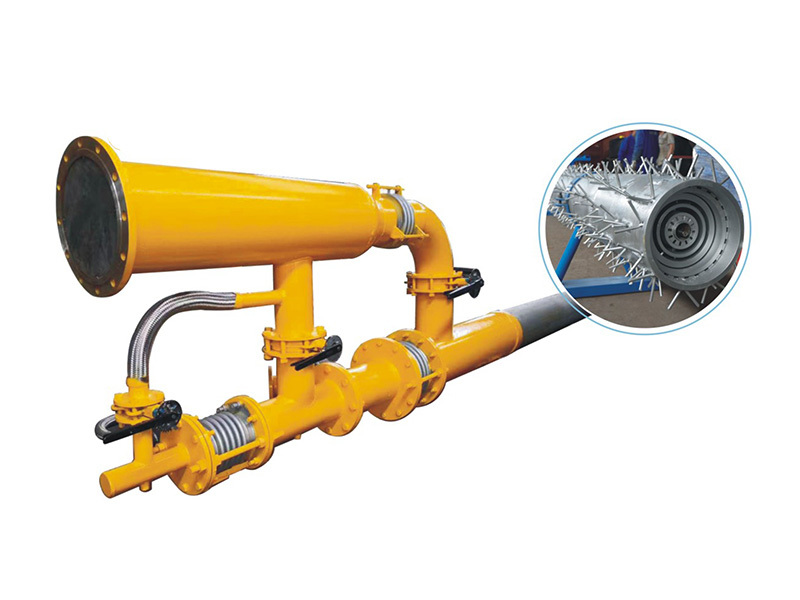
Ensuring complete combustion of fuel is critical for optimizing fuel consumption. This can be achieved through precise control of the air-fuel ratio and ensuring consistent fuel quality. The use of advanced burners can also enhance combustion efficiency.
4.2. Implement Advanced Control Systems
Utilizing advanced control systems with real-time monitoring capabilities allows operators to make adjustments promptly. Automated control systems can optimize kiln performance by adjusting parameters based on real-time data, leading to increased efficiency.
4.3. Regular Maintenance and Inspections
Regular maintenance is essential to ensure that all components of the rotary kiln are functioning at peak efficiency. Scheduled inspections can help identify wear and tear, allowing for timely repairs and adjustments that can significantly impact fuel consumption.
4.4. Use of Waste Heat Recovery Systems
Incorporating waste heat recovery systems can significantly reduce fuel consumption by utilizing the heat generated during kilning. These systems can preheat incoming materials or generate steam and electricity, effectively maximizing energy efficiency.
5. The Role of Alternative Fuels in Reducing Costs
The utilization of alternative fuels can lead to substantial reductions in fuel costs for rotary kiln operations. Materials such as biomass, industrial waste, and even municipal solid waste can serve as viable fuel sources, minimizing reliance on traditional fossil fuels. Not only does this reduce costs, but it also contributes to a more sustainable manufacturing process by minimizing waste and lowering carbon emissions.
6. Case Studies: Successful Fuel Optimization in Rotary Kilns
Several industries have successfully implemented fuel optimization strategies in their rotary kilns, demonstrating the potential for significant improvements in efficiency and cost savings. For instance, a cement manufacturer implemented advanced control systems and alternative fuels, leading to a 20% reduction in fuel consumption over a year. Another case involved a lime production facility that adopted regular maintenance protocols, resulting in a 15% increase in overall fuel efficiency.
7. Frequently Asked Questions
What is the most efficient fuel for rotary kilns?
While it depends on specific operational needs, natural gas is often considered one of the most efficient fuels due to its high energy content and lower emissions. However, alternative fuels can offer competitive advantages depending on availability and cost.
How often should I perform maintenance on my rotary kiln?
Regular maintenance should be conducted at least quarterly, with more frequent inspections during peak operational periods to ensure optimal performance.
Can I retrofit my existing kiln for better fuel efficiency?
Yes, retrofitting options such as installing advanced control systems, optimizing burners, and integrating waste heat recovery systems can significantly enhance the fuel efficiency of existing kilns.
What are the environmental benefits of optimizing fuel consumption?
Optimizing fuel consumption not only reduces operational costs but also decreases greenhouse gas emissions and environmental impact, contributing to a more sustainable manufacturing process.
Are there any financial incentives for using alternative fuels?
Many governments and organizations offer financial incentives, grants, or tax credits for companies that adopt alternative fuels or implement energy-efficient technologies, making it more affordable to transition.
8. Conclusion: The Path Towards Fuel Efficiency
Optimizing fuel consumption in rotary kilns is crucial for enhancing operational efficiency and reducing costs. By understanding the key factors influencing fuel consumption and implementing effective strategies, manufacturers can achieve significant improvements in both performance and sustainability. Embracing innovative technologies, conducting regular maintenance, and exploring alternative fuels will pave the way for a more resource-efficient and environmentally friendly future in the manufacturing sector. Optimizing fuel consumption is not just a necessity; it is an opportunity for businesses to lead the charge towards a greener tomorrow.
Recommend Content

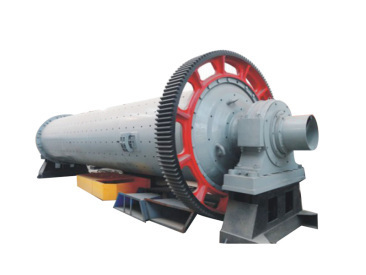
Understanding the Role of Metallurgy Ball Mills in Material Processing
Metallurgy ball mills play a crucial role in the manufacturing process within the building materials sector. These machines are essential for the grinding and mixing of raw materials, ensuring that they achieve the desired particle size and consistency for further processing. A metallurgy ball mill utilizes a rotating cylinder filled with grinding media, typically steel or ceramic balls, to crush


Contact Phone
Contact Us
E-mail: dingxinliu@dingxinequipment.com
Address: Industrial Park, Gaoshan Town, Xingyang City, Zhengzhou City, Henan Province
Online message
SAF Coolest v1.3.1.2 设置面板 GEUSD-ZGIY-FXSWE-AXE
违禁词: First, best, first-class, leading, unique, king, leader, leader, extreme,
无数据提示
Sorry, the current column is being updated, please pay attention!