



Understanding the Role of Metallurgy Ball Mills in Material Processing
Metallurgy ball mills play a crucial role in the manufacturing process within the building materials sector. These machines are essential for the grinding and mixing of raw materials, ensuring that they achieve the desired particle size and consistency for further processing. A metallurgy ball mill utilizes a rotating cylinder filled with grinding media, typically steel or ceramic balls, to crush
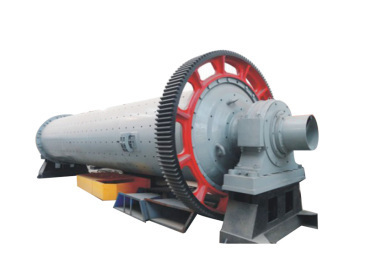
Metallurgy ball mills play a crucial role in the manufacturing process within the building materials sector. These machines are essential for the grinding and mixing of raw materials, ensuring that they achieve the desired particle size and consistency for further processing. A metallurgy ball mill utilizes a rotating cylinder filled with grinding media, typically steel or ceramic balls, to crush and pulverize materials. This process is not only efficient but also allows for the production of materials that meet specific performance criteria.
One of the primary advantages of using metallurgy ball mills is their versatility. They can handle a wide range of materials, including ores, minerals, and other raw substances used in construction. The grinding process enhances the material's surface area, promoting better chemical reactivity and improving the efficiency of subsequent processes, such as sintering or melting. This is particularly important in metallurgy, where the properties of the final product are heavily influenced by the material's preparation.
In addition to their grinding capabilities, metallurgy ball mills are also designed for continuous operation, making them suitable for large-scale production. The design of these mills allows them to process significant quantities of materials while maintaining a consistent output quality. This is particularly advantageous in industries where time and precision are critical factors.
Another noteworthy aspect is the energy efficiency of metallurgy ball mills. By optimizing the size and shape of the grinding media and the milling process itself, manufacturers can reduce energy consumption significantly. This not only lowers operational costs but also minimizes the environmental impact associated with material processing.
Furthermore, advancements in technology have led to the development of specialized ball mills that cater to specific processing needs. For instance, there are mills designed to handle particularly abrasive materials or those that require finer grinding. This customization ensures that manufacturers can select the most appropriate equipment for their specific applications, enhancing productivity and product quality.
In summary, metallurgy ball mills are indispensable in the construction materials manufacturing process. Their ability to grind, mix, and refine raw materials makes them a cornerstone of the industry. By understanding their functionality and benefits, professionals can make informed decisions on the equipment that best suits their operational needs, ultimately leading to improved efficiency and product quality in their manufacturing processes.
Previous
Recommend Content

Understanding the Role of Metallurgy Ball Mills in Material Processing
Metallurgy ball mills play a crucial role in the manufacturing process within the building materials sector. These machines are essential for the grinding and mixing of raw materials, ensuring that they achieve the desired particle size and consistency for further processing. A metallurgy ball mill utilizes a rotating cylinder filled with grinding media, typically steel or ceramic balls, to crush


Contact Phone
Contact Us
E-mail: dingxinliu@dingxinequipment.com
Address: Industrial Park, Gaoshan Town, Xingyang City, Zhengzhou City, Henan Province
Online message
SAF Coolest v1.3.1.2 设置面板 GEUSD-ZGIY-FXSWE-AXE
违禁词: First, best, first-class, leading, unique, king, leader, leader, extreme,
无数据提示
Sorry, the current column is being updated, please pay attention!