



Exploring the Functionality and Advantages of Metallurgy Ball Mills in Material Processing
Metallurgy ball mills are specialized grinding equipment utilized primarily in the manufacturing and processing of materials, particularly in the construction and building materials industry. These machines are critical for reducing the size of particles, enhancing material properties, and improving overall processing efficiency. Understanding how metallurgy ball mills operate and their advantages
Metallurgy ball mills are specialized grinding equipment utilized primarily in the manufacturing and processing of materials, particularly in the construction and building materials industry. These machines are critical for reducing the size of particles, enhancing material properties, and improving overall processing efficiency. Understanding how metallurgy ball mills operate and their advantages can significantly impact production quality and operational efficiency.
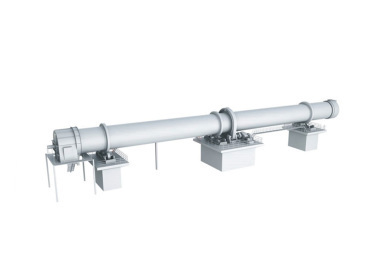
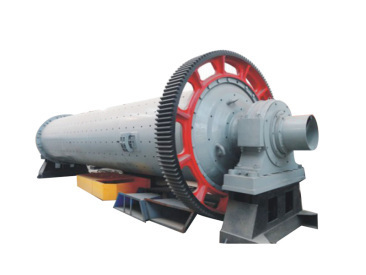
The core function of a metallurgy ball mill is to grind various materials into finer particles, which is achieved through the motion of steel balls within a rotating cylindrical drum. The balls collide with the material as they rotate, generating both impact and shear forces that break down the particles. This process is crucial for preparing raw materials for further processing or for creating final products with specific characteristics.
One of the primary advantages of using metallurgy ball mills is their versatility. They can handle a wide range of materials, including ores, minerals, and various types of building materials. This flexibility allows manufacturers to adapt the milling process to specific requirements, which is essential in today’s competitive market. Additionally, the ability to fine-tune the milling parameters such as speed, duration, and ball size enables operators to achieve desired particle sizes and enhance material properties.
Another significant benefit of metallurgy ball mills is their energy efficiency. Advanced designs and modern technologies have led to more efficient milling processes that require less energy compared to traditional grinding methods. This not only reduces operational costs but also minimizes the environmental impact, aligning with sustainability goals in manufacturing.
Moreover, metallurgy ball mills contribute to improved product quality. The uniformity in particle size achieved through refined milling processes leads to better consistency in the final product, a critical attribute in construction materials. Materials that are finely milled often exhibit enhanced physical and chemical properties, resulting in superior performance in applications.
The maintenance of metallurgy ball mills is relatively straightforward, further adding to their appeal in the industry. Regular checks and maintenance routines can prolong the lifespan of the equipment and ensure optimal performance, reducing downtime and improving productivity.
In conclusion, metallurgy ball mills play an integral role in the manufacturing and processing of building materials. Their ability to efficiently grind various materials while ensuring quality and consistency makes them a valuable asset in the construction machinery sector. Understanding their functionality and benefits can empower manufacturers to optimize their production processes and maintain a competitive edge in the industry.
The core function of a metallurgy ball mill is to grind various materials into finer particles, which is achieved through the motion of steel balls within a rotating cylindrical drum. The balls collide with the material as they rotate, generating both impact and shear forces that break down the particles. This process is crucial for preparing raw materials for further processing or for creating final products with specific characteristics.
One of the primary advantages of using metallurgy ball mills is their versatility. They can handle a wide range of materials, including ores, minerals, and various types of building materials. This flexibility allows manufacturers to adapt the milling process to specific requirements, which is essential in today’s competitive market. Additionally, the ability to fine-tune the milling parameters such as speed, duration, and ball size enables operators to achieve desired particle sizes and enhance material properties.
Another significant benefit of metallurgy ball mills is their energy efficiency. Advanced designs and modern technologies have led to more efficient milling processes that require less energy compared to traditional grinding methods. This not only reduces operational costs but also minimizes the environmental impact, aligning with sustainability goals in manufacturing.
Moreover, metallurgy ball mills contribute to improved product quality. The uniformity in particle size achieved through refined milling processes leads to better consistency in the final product, a critical attribute in construction materials. Materials that are finely milled often exhibit enhanced physical and chemical properties, resulting in superior performance in applications.
The maintenance of metallurgy ball mills is relatively straightforward, further adding to their appeal in the industry. Regular checks and maintenance routines can prolong the lifespan of the equipment and ensure optimal performance, reducing downtime and improving productivity.
In conclusion, metallurgy ball mills play an integral role in the manufacturing and processing of building materials. Their ability to efficiently grind various materials while ensuring quality and consistency makes them a valuable asset in the construction machinery sector. Understanding their functionality and benefits can empower manufacturers to optimize their production processes and maintain a competitive edge in the industry.
Previous
Recommend Content

Exploring the Functionality and Advantages of Metallurgy Ball Mills in Material Processing
Metallurgy ball mills are specialized grinding equipment utilized primarily in the manufacturing and processing of materials, particularly in the construction and building materials industry. These machines are critical for reducing the size of particles, enhancing material properties, and improving overall processing efficiency. Understanding how metallurgy ball mills operate and their advantages

Contact Phone
Contact Us
E-mail: dingxinliu@dingxinequipment.com
Address: Industrial Park, Gaoshan Town, Xingyang City, Zhengzhou City, Henan Province
Online message
SAF Coolest v1.3.1.2 设置面板 GEUSD-ZGIY-FXSWE-AXE
违禁词: First, best, first-class, leading, unique, king, leader, leader, extreme,
无数据提示
Sorry, the current column is being updated, please pay attention!