



Chemical Rotary Kiln Equipment: The Key to Excellence in Manufacturing Quality Control
Chemical Rotary Kiln Equipment: Essential for Quality Control in Manufacturing
In the realm of manufacturing, achieving consistent product quality is paramount. One of the pivotal components that contribute significantly to this endeavor is Chemical Rotary Kiln Equipment. This equipment plays a crucial role in various processes, particularly in the production of materials such as cement, lime, and various chemicals. This article delves into the importance of rotary kilns, their operational mechanics, and how they ensure stringent quality control in manufacturing.
Table of Contents
- Understanding Chemical Rotary Kiln Equipment
- How Rotary Kilns Work
- The Importance of Quality Control in Manufacturing
- Benefits of Using Chemical Rotary Kilns
- Applications of Chemical Rotary Kilns in Various Industries
- Maintenance and Optimization of Rotary Kilns
- Future Trends in Rotary Kiln Technology
- Conclusion
- FAQs
Understanding Chemical Rotary Kiln Equipment
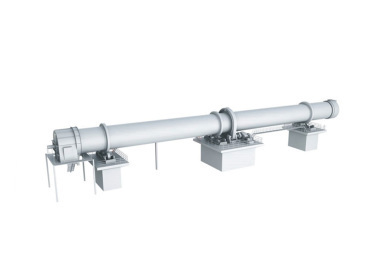
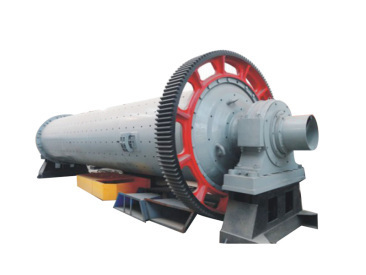
Chemical rotary kilns are cylindrical furnaces that rotate on their axis. They are primarily used for the thermal treatment of materials, wherein specific chemical reactions occur due to elevated temperatures. Understanding their design and functionality is crucial for manufacturers aiming to enhance quality control.
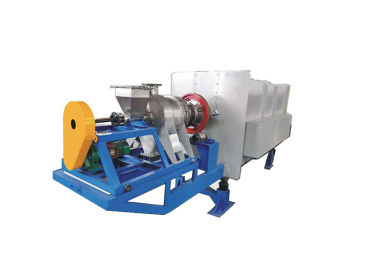
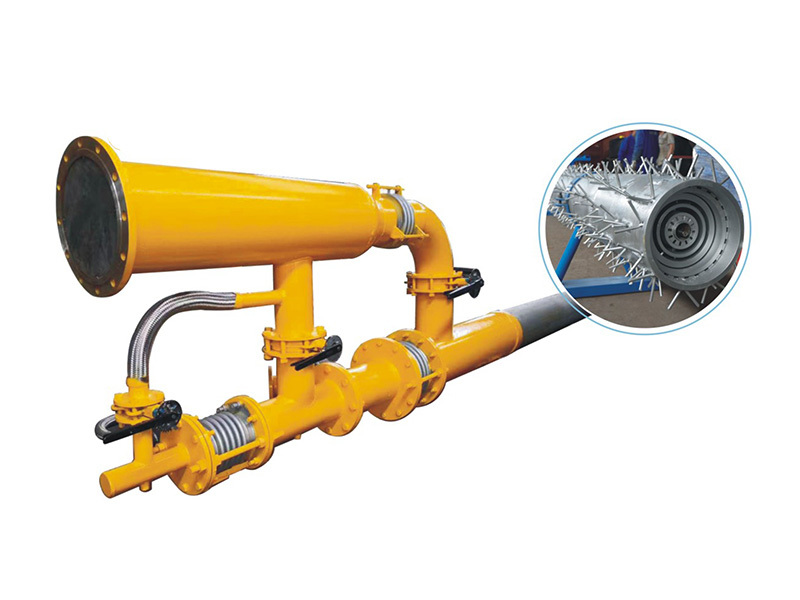
At its core, a rotary kiln consists of a rotating drum, which is lined with refractory materials to withstand high temperatures. The kiln's rotation facilitates the uniform distribution of heat and materials, ensuring optimal processing conditions. Key components of a rotary kiln include:
- Burner system: Provides the necessary heat for chemical reactions.
- Feeding system: Delivers raw materials into the kiln.
- Cooling system: Regulates the temperature of the kiln and the materials exiting it.
How Rotary Kilns Work
The operational efficiency of a rotary kiln hinges on its ability to maintain precise temperature control and facilitate consistent material flow. The process begins when raw materials are fed into the kiln, where they are subjected to continuous rotation and high heat.
As the kiln rotates, materials move slowly through the kiln, allowing for thorough mixing and exposure to heat. Chemical reactions occur at predetermined temperatures, resulting in the conversion of raw materials into the desired products. The combination of rotational movement and heat application ensures that the product achieves the necessary physical and chemical properties required for high quality.
The Role of Temperature Control
Temperature control is essential in rotary kiln operations. Different materials require specific temperatures for optimal processing. Therefore, advanced monitoring systems are integrated into modern kilns to track and adjust temperatures in real-time. This capability not only enhances product quality but also improves energy efficiency.
The Importance of Quality Control in Manufacturing
Quality control is an integral part of the manufacturing process, ensuring that products meet established standards and specifications. In sectors like construction and chemical production, quality directly impacts safety, performance, and customer satisfaction.
Rotary kilns contribute to quality control by enabling uniform processing conditions. Consistency in temperature, material flow, and chemical reactions minimizes variations in product quality, leading to more reliable outcomes. Additionally, quality control measures such as sampling and testing can be implemented at various stages of the rotary kiln process.
Benefits of Using Chemical Rotary Kilns
Utilizing chemical rotary kilns in manufacturing processes offers several advantages:
- Enhanced Product Quality: Uniform heating and processing lead to consistent product characteristics.
- Energy Efficiency: Modern kilns are designed to optimize fuel consumption, reducing operational costs.
- Versatility: Rotary kilns can process a wide range of materials, from cement to metal ores.
- Scalability: Kiln systems can be scaled to meet increasing production demands without compromising quality.
Applications of Chemical Rotary Kilns in Various Industries
Chemical rotary kilns find applications across multiple industries:
Cement Production
In cement manufacturing, rotary kilns are essential for the calcination of limestone and other materials, converting them into clinker, which is then ground into cement.
Lime Production
Rotary kilns are used to produce quicklime from limestone through a process called calcination. The high temperatures facilitate the necessary chemical reactions.
Metallurgical Processes
In the metallurgy field, rotary kilns are utilized for the reduction of metal ores, promoting the extraction of metals like zinc and nickel.
Chemical Production
Industries producing chemicals, such as alumina and titanium dioxide, rely on rotary kilns for their ability to maintain desired reaction conditions.
Maintenance and Optimization of Rotary Kilns
To ensure that rotary kilns operate efficiently, regular maintenance is imperative. Here are some key maintenance practices:
Routine Inspections
Conducting regular inspections helps identify potential issues before they escalate into major problems. Components like the burner, refractory linings, and drive systems should be checked frequently.
Refractory Maintenance
The refractory lining of a kiln is critical for insulation and protection. Over time, it can wear down, necessitating timely repairs or replacements.
Process Optimization
Utilizing data analytics and monitoring systems can enhance the operational efficiency of rotary kilns. By analyzing performance metrics, manufacturers can optimize fuel consumption and adjust processing conditions for improved quality.
Future Trends in Rotary Kiln Technology
The landscape of rotary kiln technology is evolving. Key trends shaping the future include:
Automation and AI Integration
Automation is transforming rotary kiln operations. Integrating AI and machine learning can facilitate predictive maintenance and enhance process control, leading to higher product quality.
Sustainability Initiatives
With a growing emphasis on sustainability, manufacturers are exploring alternative fuels and materials for rotary kilns, aiming to reduce their environmental footprint and comply with stringent regulations.
Advanced Materials
Innovations in refractory materials and kiln designs are enhancing heat resistance and energy efficiency, ensuring that rotary kilns remain at the forefront of manufacturing technology.
Conclusion
Chemical rotary kiln equipment plays an indispensable role in ensuring quality control in manufacturing processes. By providing consistent heating and facilitating precise chemical reactions, these kilns help manufacturers achieve superior product quality across various industries. As technology advances, the future of rotary kilns looks promising, with enhancements in automation, sustainability, and materials continuing to reshape their capabilities.
Frequently Asked Questions (FAQs)
1. What materials can be processed in a chemical rotary kiln?
Chemical rotary kilns can process a diverse range of materials, including limestone, clay, metal ores, and various chemicals.
2. How does temperature affect product quality in a rotary kiln?
Temperature control is vital; it must be maintained within specific limits to ensure the desired chemical reactions occur, leading to consistent product quality.
3. What are the common challenges in operating rotary kilns?
Common challenges include managing operational temperatures, maintaining refractory linings, and ensuring consistent material flow.
4. How can manufacturers optimize the performance of rotary kilns?
Manufacturers can optimize kiln performance through regular maintenance, utilizing data analytics for process control, and integrating automation technologies.
5. What is the lifespan of a rotary kiln?
The lifespan of a rotary kiln can vary based on usage and maintenance; however, with proper care, it can operate efficiently for several decades.
Recommend Content

Understanding Vertical Coolers: Essential Equipment for Building Material Processing


Contact Phone
Contact Us
E-mail: dingxinliu@dingxinequipment.com
Address: Industrial Park, Gaoshan Town, Xingyang City, Zhengzhou City, Henan Province
Online message
SAF Coolest v1.3.1.2 设置面板 GEUSD-ZGIY-FXSWE-AXE
无数据提示
Sorry, the current column is being updated, please pay attention!