



The Connection Between Rotary Kilns and Material Quality: A Comprehensive Guide
The Connection Between Rotary Kilns and Material Quality
Introduction to Rotary Kilns and Their Importance
In the realm of manufacturing and material processing, rotary kilns serve as a cornerstone technology. These industrial giants are essential for the production of various materials, including cement, lime, and ceramics. The quality of the end product is closely linked to the operational e
The Connection Between Rotary Kilns and Material Quality
Introduction to Rotary Kilns and Their Importance
In the realm of manufacturing and material processing, rotary kilns serve as a cornerstone technology. These industrial giants are essential for the production of various materials, including cement, lime, and ceramics. The quality of the end product is closely linked to the operational efficiency and design of these kilns. Understanding this connection is vital for manufacturers aiming to improve both product quality and operational efficiency.
What is a Rotary Kiln?
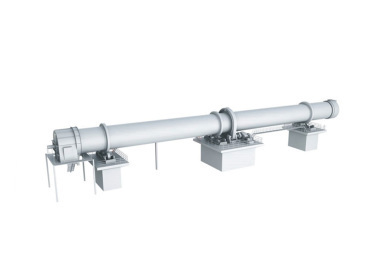
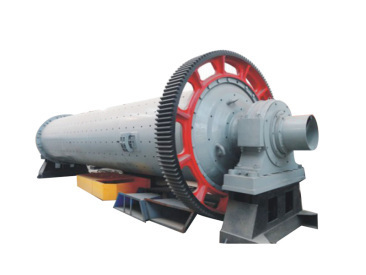
A rotary kiln is a large, cylindrical furnace that rotates on its axis. It is engineered to heat materials to high temperatures in a continuous process. This design promotes uniform heating and enhances the chemical reactions necessary for producing high-quality materials. The kiln operates under specific conditions tailored to the material being processed, ensuring optimal quality and performance.
The Mechanism of Rotary Kilns
Rotary kilns function through several critical processes, including heat transfer, material movement, and chemical reactions. As the kiln rotates, materials are gradually heated and moved along its length. This movement facilitates various chemical reactions, such as calcination or sintering, which are essential for producing high-quality end products.
Heat Transfer in Rotary Kilns
Heat transfer within a rotary kiln occurs through conduction, convection, and radiation. Understanding how these mechanisms work together is vital for optimizing kiln performance and ensuring consistent material quality. Factors such as kiln design, insulation, and operational parameters greatly influence heat distribution.
The Impact of Rotary Kiln Design on Material Quality
The design of a rotary kiln significantly affects the quality of the materials produced. Key design considerations include kiln diameter, length, rotation speed, and temperature control. Each factor plays a critical role in achieving the desired material properties.
Kiln Diameter and Length
The diameter and length of a rotary kiln can influence the residence time of materials within the kiln. A longer kiln may allow for more thorough chemical reactions, while a wider diameter can facilitate better heat distribution. Finding the right balance in dimensions is essential for optimizing material quality.
Rotation Speed and Its Effects
The rotation speed of a rotary kiln is another essential factor that impacts material quality. Too fast a rotation may lead to insufficient processing time, resulting in underdeveloped material properties. Conversely, insufficient rotation speed can cause material build-up and inconsistent heating.
Material Inputs: Quality Matters
The quality of raw materials fed into the rotary kiln directly influences the final product. Selecting high-quality inputs ensures more predictable and reliable outcomes. Various factors, including material composition and moisture content, must be carefully managed.
Understanding Raw Material Properties
Different materials exhibit unique thermal and chemical properties. Understanding these properties is crucial for adjusting kiln operations to enhance material quality. For instance, the presence of impurities in raw materials can lead to defects in the final product.
Moisture Content and Its Role
Moisture content is a critical parameter in material processing. Excess moisture can hinder the heating process and result in energy inefficiencies. Additionally, too much moisture may lead to incomplete chemical reactions, adversely affecting material quality.
Operational Parameters: Optimizing Performance
Optimizing the operational parameters of a rotary kiln is vital for improving material quality. Key factors include temperature control, feed rate, and kiln atmosphere.
Temperature Control for Enhanced Quality
Maintaining an optimal temperature is crucial for successful material processing. Different materials require specific temperature profiles to achieve the desired chemical reactions. Regular monitoring and adjustments can significantly enhance material quality.
Feed Rate Adjustment
The rate at which materials are fed into the kiln affects the overall processing time and quality. A well-calibrated feed rate ensures that materials receive adequate heating and processing time, contributing to improved product quality.
Environmental Considerations and Material Quality
Environmental factors, including kiln emissions and energy consumption, also play a role in material quality. Implementing eco-friendly practices can lead to better operational efficiency and product consistency.
Emission Control Technologies
Innovative technologies aimed at controlling emissions can enhance not only compliance with regulations but also the overall quality of materials produced. Cleaner processes often yield purer end products, further improving material quality.
Energy Efficiency and Quality Correlation
Energy efficiency is not just an operational goal; it can also impact material quality. Processes that minimize energy wastage tend to maintain more consistent thermal conditions, resulting in higher quality outputs.
Best Practices for Ensuring High Material Quality
Implementing best practices in rotary kiln operations can significantly enhance the quality of materials produced.
Regular Maintenance and Inspections
Routine maintenance and inspections of rotary kilns are essential for preventing issues that could compromise material quality. Ensuring that all components function optimally helps maintain consistent processing conditions.
Training Personnel for Quality Control
Investing in training programs for operational staff can lead to better monitoring and control of kiln operations. Well-trained personnel are crucial for identifying and rectifying potential issues that may affect material quality.
Conclusion: The Path to Superior Material Quality
In summary, the connection between rotary kilns and material quality is complex and multifaceted. By understanding the mechanisms, design elements, and operational parameters that influence this relationship, manufacturers can significantly improve the quality of their end products. Emphasizing high-quality raw materials, optimizing operational practices, and investing in technology can pave the way for superior material quality in the manufacturing sector.
FAQs
1. What types of materials are processed in rotary kilns?
Rotary kilns are primarily used for processing materials such as cement, lime, ceramics, and various minerals. Their versatility makes them suitable for a wide range of applications.
2. How does the temperature affect product quality in a rotary kiln?
The temperature in a rotary kiln directly affects the chemical reactions occurring within. Maintaining the optimal temperature is crucial for ensuring desired material properties and achieving high-quality outputs.
3. What role does kiln atmosphere play in material processing?
The atmosphere within a rotary kiln, including the presence of oxygen or inert gases, can influence chemical reactions and the resulting product quality. Control over the kiln environment is vital for optimal processing.
4. How can I improve the energy efficiency of my rotary kiln?
Improving energy efficiency involves optimizing operational parameters, employing advanced technologies, and conducting regular maintenance. Efficient energy use contributes to better material quality and reduced operational costs.
5. Why is it important to monitor raw material quality?
The quality of raw materials directly impacts the final product. Monitoring and selecting high-quality inputs can lead to more predictable processing outcomes and superior material quality.
Recommend Content

PF Impact Crusher: Efficient Crushing Solution for Mining and Construction
PF Impact Crusher offers high crushing efficiency, durable structure, and reliable performance for mining, construction, and aggregate production.


Contact Phone
Contact Us
E-mail: dingxinliu@dingxinequipment.com
Address: Industrial Park, Gaoshan Town, Xingyang City, Zhengzhou City, Henan Province
Online message
SAF Coolest v1.3.1.2 设置面板 GEUSD-ZGIY-FXSWE-AXE
违禁词: First, best, first-class, leading, unique, king, leader, leader, extreme,
无数据提示
Sorry, the current column is being updated, please pay attention!