



The Future of Industrial Rotary Kiln Design and Technology: Innovations and Trends
The Future of Industrial Rotary Kiln Design and Technology
In the ever-evolving landscape of the industrial sector, rotary kilns play a crucial role in manufacturing processes, particularly in the building materials industry. As technology advances, the design and functionality of rotary kilns are undergoing significant transformations. This article examines the future of industrial rotary kiln design and technology, highlighting innovations, sustainability, and key trends shaping the industry.
Table of Contents
- 1. Introduction to Rotary Kilns
- 2. Historical Development of Rotary Kiln Technology
- 3. Modern Design Practices in Rotary Kilns
- 4. Sustainable Technologies in Rotary Kiln Operations
- 5. Advancements in Materials Used for Kiln Construction
- 6. Automation and Control Technologies
- 7. Future Trends in Rotary Kiln Technology
- 8. Conclusion
- 9. FAQs
1. Introduction to Rotary Kilns
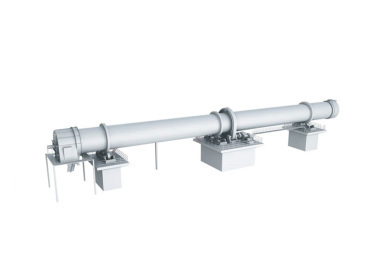
Rotary kilns are cylindrical furnaces that rotate on an axis, allowing materials to be processed at high temperatures. They are primarily used in the production of cement, lime, and other building materials. The design and technology behind rotary kilns have seen remarkable progress over the years, driven by the need for efficiency, sustainability, and adaptability in industrial processes.
2. Historical Development of Rotary Kiln Technology
The rotary kiln was first introduced in the late 19th century, revolutionizing the way materials were processed. Initially, these kilns were simple in design and operated at lower temperatures. Over time, improvements in materials and engineering led to increased efficiency and better performance. The industrial revolution paved the way for mass production, and rotary kilns became integral to the building materials industry.
As the 20th century progressed, advancements in kiln design included better insulation, more precise temperature controls, and enhanced fuel efficiency. Today, rotary kilns are more sophisticated, incorporating advanced technologies such as digital monitoring and automation.
3. Modern Design Practices in Rotary Kilns
Modern rotary kilns are designed with a focus on performance and longevity. Key design practices include:
3.1 Enhanced Thermal Efficiency
One of the primary goals in modern rotary kiln design is to maximize thermal efficiency. This is achieved through improved insulation materials and more effective heat recovery systems. These innovations reduce energy consumption and lower operational costs.
3.2 Customization for Specific Processes
Different materials require different processing conditions. Modern kiln designs are increasingly customized to meet the specific needs of various materials, whether it’s for cement, lime, or other industrial applications. This customization enhances product quality and operational efficiency.
3.3 Integration of Safety Features
Safety is paramount in industrial settings. Advanced kiln designs now incorporate features that enhance worker safety, including better access for maintenance, automatic shut-off systems, and improved monitoring of operational parameters.
4. Sustainable Technologies in Rotary Kiln Operations
As industries strive to reduce their environmental impact, sustainability has become a key focus in rotary kiln operations. The following technologies are leading the way:
4.1 Use of Alternative Fuels
With the growing concern over fossil fuel consumption, many manufacturers are turning to alternative fuels for rotary kilns. These can include biomass, waste-derived fuels, and other renewable sources, significantly reducing greenhouse gas emissions.
4.2 Carbon Capture and Storage (CCS)
Carbon capture technology is being integrated into rotary kiln operations to mitigate carbon emissions. This process captures CO2 produced during the combustion process, allowing it to be stored or utilized in other applications, thus contributing to a circular economy.
4.3 Water Recycling Systems
Water is a critical resource in many kiln operations, particularly in cooling processes. Implementing water recycling systems can drastically reduce water consumption and wastewater generation, promoting sustainable practices within the industry.
5. Advancements in Materials Used for Kiln Construction
The materials used in constructing rotary kilns are evolving to meet the demands of higher temperatures and more aggressive chemical environments. Key advancements include:
5.1 High-Temperature Resistant Materials
New refractory materials are being developed that can withstand extreme temperatures while providing better insulation. This not only enhances kiln performance but also extends the lifespan of the kiln structure.
5.2 Lightweight Construction Materials
Utilizing lightweight materials in kiln construction has benefits in terms of reduced energy consumption during transport and installation. These materials also allow for easier retrofitting of existing kilns with modern technologies.
6. Automation and Control Technologies
Automation is transforming rotary kiln operations by enhancing efficiency and precision. Key aspects include:
6.1 Digital Monitoring Systems
Advanced digital monitoring systems provide real-time data on kiln performance. This enables operators to make informed decisions, optimizing processes and reducing downtime.
6.2 Predictive Maintenance
Using data analytics, manufacturers can implement predictive maintenance strategies for rotary kilns. By analyzing performance data, potential issues can be identified before they lead to failures, minimizing unexpected downtime and repair costs.
7. Future Trends in Rotary Kiln Technology
The future of rotary kiln design and technology is set to be influenced by several emerging trends:
7.1 Increased Focus on Energy Efficiency
As energy costs continue to rise, manufacturers will prioritize energy-efficient designs. Innovations in heat recovery and alternative energy sources will play a crucial role in achieving this goal.
7.2 Integration of Artificial Intelligence (AI)
AI technologies will increasingly be integrated into kiln operations, enabling smarter decision-making and process optimization. Machine learning algorithms can analyze vast amounts of data to identify patterns and improve efficiency.
7.3 Modular and Flexible Designs
As industries evolve, the need for flexibility in production processes will grow. Modular rotary kiln designs will allow for easier upgrades and modifications, accommodating changing market demands.
8. Conclusion
The future of industrial rotary kiln design and technology is poised for significant advancements. With a focus on sustainability, efficiency, and automation, the industry is evolving to meet modern challenges. By embracing new technologies and innovative design practices, manufacturers can enhance their operations, reduce their environmental footprint, and stay competitive in a rapidly changing market.
9. FAQs
What is a rotary kiln used for?
A rotary kiln is primarily used for processing materials at high temperatures in various industries, including cement and lime production.
How does rotary kiln technology improve efficiency?
Modern rotary kilns utilize advanced materials, better insulation, and automation to enhance thermal efficiency and reduce energy consumption.
What are alternative fuels in rotary kilns?
Alternative fuels refer to non-fossil fuel sources used in rotary kilns, such as biomass, waste materials, and other renewable resources, which help reduce environmental impact.
What role does automation play in rotary kiln operations?
Automation improves precision and efficiency in kiln operations by providing real-time monitoring and predictive maintenance capabilities, reducing downtime and operational costs.
What are the future trends for rotary kilns?
Future trends include a stronger focus on energy efficiency, integration of artificial intelligence, and the development of modular designs for greater flexibility in operations.
Recommend Content

Understanding High Temperature Rotary Kilns: Key Insights for Professionals


Contact Phone
Contact Us
E-mail: dingxinliu@dingxinequipment.com
Address: Industrial Park, Gaoshan Town, Xingyang City, Zhengzhou City, Henan Province
Online message
SAF Coolest v1.3.1.2 设置面板 GEUSD-ZGIY-FXSWE-AXE
无数据提示
Sorry, the current column is being updated, please pay attention!