



Understanding High Temperature Rotary Kilns: Key Insights for the Building Materials Industry
High Temperature Rotary Kilns are specialized equipment used primarily in the manufacturing and processing of building materials. Their design allows for the continuous and efficient conversion of raw materials into finished products through a high-temperature process. Typically, these kilns operate at temperatures ranging from 1000°C to 1600°C, depending on the specific material being processed.
High Temperature Rotary Kilns are specialized equipment used primarily in the manufacturing and processing of building materials. Their design allows for the continuous and efficient conversion of raw materials into finished products through a high-temperature process. Typically, these kilns operate at temperatures ranging from 1000°C to 1600°C, depending on the specific material being processed.
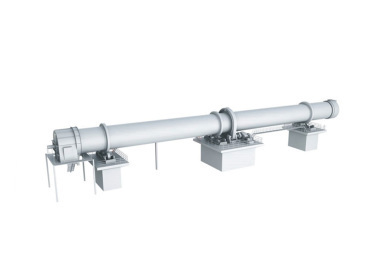
The principle behind a rotary kiln is relatively straightforward. The kiln consists of a long, cylindrical vessel that rotates slowly on its axis. As the kiln rotates, materials are introduced at one end and move through the heated chamber toward the other end, where they are discharged as finished products. The combination of rotation and high temperatures facilitates the chemical reactions necessary for transforming raw materials into cement, lime, and other essential building components.
One of the primary applications of High Temperature Rotary Kilns is in cement production. This process involves calcining limestone and other minerals to produce clinker, which is then ground to make cement. The ability to maintain high temperatures ensures efficient chemical reactions and produces high-quality clinker, which is vital for strong cement.
Another significant application of these kilns is in the production of lime, which is crucial for various industrial processes, including steel manufacturing and environmental applications such as water treatment. The high-temperature environment in rotary kilns ensures the complete decomposition of limestone into quicklime, resulting in superior quality lime products.
The advantages of using High Temperature Rotary Kilns in the building materials industry are numerous. First and foremost, their high efficiency and continuous operation minimize production downtime, which is crucial in meeting market demands. Additionally, their design allows for precise temperature control, ensuring optimal conditions for various chemical reactions, leading to high-quality end products.
Moreover, these kilns can be engineered to accommodate different types of fuels, including coal, natural gas, and alternative fuels, which not only enhances energy efficiency but also contributes to environmental sustainability. This adaptability highlights their importance in an era where manufacturers are increasingly focused on reducing their carbon footprint.
In summary, High Temperature Rotary Kilns play a pivotal role in the manufacturing of building materials, ensuring high efficiency, quality, and sustainability. Understanding their operation and applications can significantly benefit professionals in the building materials sector, aiding in informed decision-making and enhancing productivity.
The principle behind a rotary kiln is relatively straightforward. The kiln consists of a long, cylindrical vessel that rotates slowly on its axis. As the kiln rotates, materials are introduced at one end and move through the heated chamber toward the other end, where they are discharged as finished products. The combination of rotation and high temperatures facilitates the chemical reactions necessary for transforming raw materials into cement, lime, and other essential building components.
One of the primary applications of High Temperature Rotary Kilns is in cement production. This process involves calcining limestone and other minerals to produce clinker, which is then ground to make cement. The ability to maintain high temperatures ensures efficient chemical reactions and produces high-quality clinker, which is vital for strong cement.
Another significant application of these kilns is in the production of lime, which is crucial for various industrial processes, including steel manufacturing and environmental applications such as water treatment. The high-temperature environment in rotary kilns ensures the complete decomposition of limestone into quicklime, resulting in superior quality lime products.
The advantages of using High Temperature Rotary Kilns in the building materials industry are numerous. First and foremost, their high efficiency and continuous operation minimize production downtime, which is crucial in meeting market demands. Additionally, their design allows for precise temperature control, ensuring optimal conditions for various chemical reactions, leading to high-quality end products.
Moreover, these kilns can be engineered to accommodate different types of fuels, including coal, natural gas, and alternative fuels, which not only enhances energy efficiency but also contributes to environmental sustainability. This adaptability highlights their importance in an era where manufacturers are increasingly focused on reducing their carbon footprint.
In summary, High Temperature Rotary Kilns play a pivotal role in the manufacturing of building materials, ensuring high efficiency, quality, and sustainability. Understanding their operation and applications can significantly benefit professionals in the building materials sector, aiding in informed decision-making and enhancing productivity.
Recommend Content

Understanding Vertical Coolers: Essential Equipment for Building Material Processing
Vertical coolers are a crucial component in various industrial processes, particularly in the field of building material processing. These specialized cooling systems are designed to manage temperature and preserve the integrity of materials post-processing. Their application is diverse, ranging from cooling bulk materials to ensuring optimal storage conditions for different types of construction


Contact Phone
Contact Us
E-mail: dingxinliu@dingxinequipment.com
Address: Industrial Park, Gaoshan Town, Xingyang City, Zhengzhou City, Henan Province
Online message
SAF Coolest v1.3.1.2 设置面板 GEUSD-ZGIY-FXSWE-AXE
违禁词: First, best, first-class, leading, unique, king, leader, leader, extreme,
无数据提示
Sorry, the current column is being updated, please pay attention!