



Understanding High Temperature Rotary Kilns: Key Insights for Professionals
High Temperature Rotary Kilns are vital components in various industrial processes, especially in the production of cement, lime, and other building materials. These kilns operate at elevated temperatures, typically ranging from 800 to 1500 degrees Celsius, to facilitate the calcination and sintering processes necessary for transforming raw materials into finished products.
The design and operatio
High Temperature Rotary Kilns are vital components in various industrial processes, especially in the production of cement, lime, and other building materials. These kilns operate at elevated temperatures, typically ranging from 800 to 1500 degrees Celsius, to facilitate the calcination and sintering processes necessary for transforming raw materials into finished products.
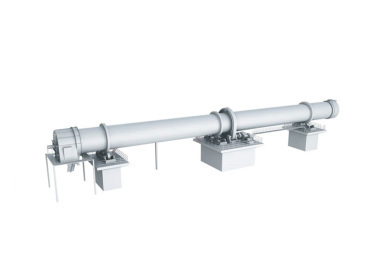
The design and operation of a High Temperature Rotary Kiln are critical for achieving optimal performance. The kiln consists of a rotating cylindrical shell, lined with refractory bricks, that is inclined slightly from the horizontal. As the kiln rotates, the materials gradually move from the feed end to the discharge end, undergoing various chemical and physical transformations. The rotation not only helps in mixing the materials but also ensures uniform heating, which is essential for achieving the desired product quality.
One of the primary applications of High Temperature Rotary Kilns is in the production of cement. In this process, raw materials such as limestone, clay, and iron ore are fed into the kiln, where they are subjected to high temperatures. The heat causes the calcium carbonate in limestone to decompose into calcium oxide and carbon dioxide. The calcium oxide then reacts with silica and alumina from the clay to form clinker, the main component of cement. The efficiency of the rotary kiln in this context is crucial, as it directly impacts energy consumption and the quality of the final product.
Another significant application of High Temperature Rotary Kilns is in the production of lime, which has extensive uses in metallurgy, environmental applications, and construction. Similar to the cement process, limestone is heated to produce quicklime, which can further be hydrated to obtain slaked lime. Understanding the thermal dynamics and material flow within the kiln is essential for maximizing yield and minimizing waste.
Efficiency in High Temperature Rotary Kilns can be influenced by several factors, including the design of the kiln, the type of fuels used, and the operational parameters like temperature and feed rate. Utilizing advanced monitoring and control systems can optimize these parameters, leading to improved energy efficiency and reduced emissions, which is increasingly important in today’s environmentally conscious market.
In conclusion, High Temperature Rotary Kilns are integral to the manufacturing processes within the building materials industry. Their design, operation, and efficiency directly influence production quality and overall sustainability. For professionals in the field, a deep understanding of these kilns is essential for driving advancements in manufacturing practices and enhancing product outcomes.
Previous:
Recommend Content

Understanding High Temperature Rotary Kilns: Key Insights for Professionals
High Temperature Rotary Kilns are vital components in various industrial processes, especially in the production of cement, lime, and other building materials. These kilns operate at elevated temperatures, typically ranging from 800 to 1500 degrees Celsius, to facilitate the calcination and sintering processes necessary for transforming raw materials into finished products.
The design and operatio


Contact Phone
Contact Us
E-mail: dingxinliu@dingxinequipment.com
Address: Industrial Park, Gaoshan Town, Xingyang City, Zhengzhou City, Henan Province
Online message
SAF Coolest v1.3.1.2 设置面板 GEUSD-ZGIY-FXSWE-AXE
违禁词: First, best, first-class, leading, unique, king, leader, leader, extreme,
无数据提示
Sorry, the current column is being updated, please pay attention!