


Understanding Solid Waste Incineration Kilns: An Essential Component in Waste Management
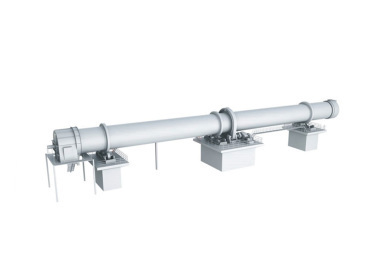
Solid waste management is a significant challenge for modern society, and the use of solid waste incineration kilns has emerged as a key technology in addressing this issue. These kilns are designed to burn solid waste at high temperatures, transforming it into ash, flue gas, and heat. This process not only reduces the volume of waste but also minimizes the environmental impact associated with lan
Solid waste management is a significant challenge for modern society, and the use of solid waste incineration kilns has emerged as a key technology in addressing this issue. These kilns are designed to burn solid waste at high temperatures, transforming it into ash, flue gas, and heat. This process not only reduces the volume of waste but also minimizes the environmental impact associated with landfilling.
The operation of a solid waste incineration kiln involves several stages. First, waste is collected and sorted to remove any non-combustible materials. This ensures that the kiln operates efficiently and safely. Once sorted, the waste is fed into the kiln, where it is subjected to extreme heat, often exceeding 1,000 degrees Celsius. At these temperatures, organic materials combust completely, producing flue gases, while inorganic materials are converted into ash.
One of the significant advantages of solid waste incineration kilns is their ability to significantly reduce the volume of waste. The incineration process can reduce waste volume by up to 90%, which is particularly beneficial for urban areas facing space constraints. Additionally, the heat generated during the incineration process can be harnessed to produce steam, which can then be used to generate electricity or provide district heating, thus contributing to energy recovery.
Moreover, modern solid waste incineration kilns are equipped with advanced air pollution control systems. These systems are essential for reducing harmful emissions, ensuring that the flue gases released into the atmosphere meet stringent environmental regulations. Technologies such as scrubbers, filters, and catalytic converters are commonly employed to capture pollutants, including dioxins, furans, and particulate matter.
Despite the benefits, the use of solid waste incineration kilns is not without controversy. Critics often raise concerns about air quality and the potential health impacts on nearby communities. As a result, it is crucial for operators to conduct regular monitoring and adhere to safety standards to mitigate risks. Engaging with local communities and providing transparent information about operational practices can also help address public concerns.
In conclusion, solid waste incineration kilns play a vital role in modern waste management strategies. They not only help reduce the volume of waste but also contribute to energy recovery and minimize environmental impact when operated correctly. Understanding the mechanisms and benefits of these kilns can help stakeholders make informed decisions regarding waste management practices and technologies. As society continues to grapple with waste management challenges, solid waste incineration kilns will remain an essential tool in the pursuit of sustainable solutions.
The operation of a solid waste incineration kiln involves several stages. First, waste is collected and sorted to remove any non-combustible materials. This ensures that the kiln operates efficiently and safely. Once sorted, the waste is fed into the kiln, where it is subjected to extreme heat, often exceeding 1,000 degrees Celsius. At these temperatures, organic materials combust completely, producing flue gases, while inorganic materials are converted into ash.
One of the significant advantages of solid waste incineration kilns is their ability to significantly reduce the volume of waste. The incineration process can reduce waste volume by up to 90%, which is particularly beneficial for urban areas facing space constraints. Additionally, the heat generated during the incineration process can be harnessed to produce steam, which can then be used to generate electricity or provide district heating, thus contributing to energy recovery.
Moreover, modern solid waste incineration kilns are equipped with advanced air pollution control systems. These systems are essential for reducing harmful emissions, ensuring that the flue gases released into the atmosphere meet stringent environmental regulations. Technologies such as scrubbers, filters, and catalytic converters are commonly employed to capture pollutants, including dioxins, furans, and particulate matter.
Despite the benefits, the use of solid waste incineration kilns is not without controversy. Critics often raise concerns about air quality and the potential health impacts on nearby communities. As a result, it is crucial for operators to conduct regular monitoring and adhere to safety standards to mitigate risks. Engaging with local communities and providing transparent information about operational practices can also help address public concerns.
In conclusion, solid waste incineration kilns play a vital role in modern waste management strategies. They not only help reduce the volume of waste but also contribute to energy recovery and minimize environmental impact when operated correctly. Understanding the mechanisms and benefits of these kilns can help stakeholders make informed decisions regarding waste management practices and technologies. As society continues to grapple with waste management challenges, solid waste incineration kilns will remain an essential tool in the pursuit of sustainable solutions.
Recommend Content

Understanding the Role of Metallurgy Ball Mills in Material Processing
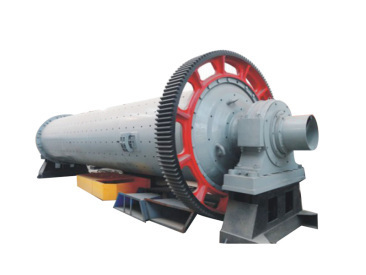
Metallurgy ball mills play a crucial role in the manufacturing process within the building materials sector. These machines are essential for the grinding and mixing of raw materials, ensuring that they achieve the desired particle size and consistency for further processing. A metallurgy ball mill utilizes a rotating cylinder filled with grinding media, typically steel or ceramic balls, to crush


Contact Phone
Contact Us
E-mail: dingxinliu@dingxinequipment.com
Address: Industrial Park, Gaoshan Town, Xingyang City, Zhengzhou City, Henan Province
Online message
SAF Coolest v1.3.1.2 设置面板 GEUSD-ZGIY-FXSWE-AXE
违禁词: First, best, first-class, leading, unique, king, leader, leader, extreme,
无数据提示
Sorry, the current column is being updated, please pay attention!