



Understanding the Functionality and Importance of Ball Mills in Material Processing
Ball mills are a crucial component in the realm of manufacturing and processing machinery, particularly in the field of crushing and sorting equipment. These machines are primarily used for grinding materials into fine powders, which is an essential process in various industries, including mining, ceramics, and cement production. Understanding the functionality of ball mills can provide insights i
Ball mills are a crucial component in the realm of manufacturing and processing machinery, particularly in the field of crushing and sorting equipment. These machines are primarily used for grinding materials into fine powders, which is an essential process in various industries, including mining, ceramics, and cement production. Understanding the functionality of ball mills can provide insights into their applications and advantages.
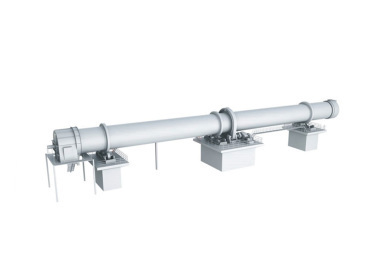
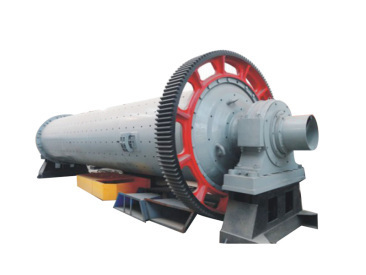
At its core, a ball mill consists of a rotating cylindrical shell filled with grinding media, which can be balls made of steel, ceramic, or other materials. As the shell rotates, the grinding media tumble and collide with the material inside, facilitating the grinding process. The design of a ball mill allows it to operate efficiently at different speeds and with varying sizes of grinding media, adapting to the specific needs of the material being processed.
One of the primary advantages of using a ball mill is its ability to produce a uniform particle size. The consistent and controlled grinding action ensures that the material is reduced to the desired fineness, which is crucial for applications such as powder metallurgy and chemical processing. Additionally, ball mills can handle a wide range of materials, from soft minerals to hard metals, making them versatile tools in the manufacturing landscape.
Moreover, ball mills have the capability to operate in both wet and dry conditions. This flexibility allows manufacturers to choose the most suitable method based on the properties of the material and the desired end product. Wet grinding, for example, can be beneficial for materials that require a slurry state, while dry grinding is often used for powdered applications.
Another aspect of ball mills worth noting is their energy efficiency. Although they require a significant amount of energy to operate, advancements in technology and design have led to improved efficiency, reducing the overall energy consumption in material processing. This is particularly important in industries where operating costs can significantly impact profitability.
In addition to their grinding capabilities, ball mills can also facilitate the mixing of different materials. This feature is particularly advantageous in industries that require homogenous mixtures, such as in the production of paints, pigments, and coatings.
In summary, ball mills play a vital role in the manufacturing and processing of materials. Their ability to grind, mix, and adapt to various operational conditions makes them indispensable in many industries. As technology continues to evolve, we can expect further advancements in ball mill design and efficiency, reinforcing their importance in the material processing sector. Understanding these machines not only enhances operational knowledge but also contributes to improved productivity and quality in manufacturing processes.
At its core, a ball mill consists of a rotating cylindrical shell filled with grinding media, which can be balls made of steel, ceramic, or other materials. As the shell rotates, the grinding media tumble and collide with the material inside, facilitating the grinding process. The design of a ball mill allows it to operate efficiently at different speeds and with varying sizes of grinding media, adapting to the specific needs of the material being processed.
One of the primary advantages of using a ball mill is its ability to produce a uniform particle size. The consistent and controlled grinding action ensures that the material is reduced to the desired fineness, which is crucial for applications such as powder metallurgy and chemical processing. Additionally, ball mills can handle a wide range of materials, from soft minerals to hard metals, making them versatile tools in the manufacturing landscape.
Moreover, ball mills have the capability to operate in both wet and dry conditions. This flexibility allows manufacturers to choose the most suitable method based on the properties of the material and the desired end product. Wet grinding, for example, can be beneficial for materials that require a slurry state, while dry grinding is often used for powdered applications.
Another aspect of ball mills worth noting is their energy efficiency. Although they require a significant amount of energy to operate, advancements in technology and design have led to improved efficiency, reducing the overall energy consumption in material processing. This is particularly important in industries where operating costs can significantly impact profitability.
In addition to their grinding capabilities, ball mills can also facilitate the mixing of different materials. This feature is particularly advantageous in industries that require homogenous mixtures, such as in the production of paints, pigments, and coatings.
In summary, ball mills play a vital role in the manufacturing and processing of materials. Their ability to grind, mix, and adapt to various operational conditions makes them indispensable in many industries. As technology continues to evolve, we can expect further advancements in ball mill design and efficiency, reinforcing their importance in the material processing sector. Understanding these machines not only enhances operational knowledge but also contributes to improved productivity and quality in manufacturing processes.
Recommend Content

Understanding the Functionality and Importance of Ball Mills in Material Processing
Ball mills are a crucial component in the realm of manufacturing and processing machinery, particularly in the field of crushing and sorting equipment. These machines are primarily used for grinding materials into fine powders, which is an essential process in various industries, including mining, ceramics, and cement production. Understanding the functionality of ball mills can provide insights i


Contact Phone
Contact Us
E-mail: dingxinliu@dingxinequipment.com
Address: Industrial Park, Gaoshan Town, Xingyang City, Zhengzhou City, Henan Province
Online message
SAF Coolest v1.3.1.2 设置面板 GEUSD-ZGIY-FXSWE-AXE
违禁词: First, best, first-class, leading, unique, king, leader, leader, extreme,
无数据提示
Sorry, the current column is being updated, please pay attention!