


Maximizing Efficiency and Sustainability with Solid Waste Incineration Kilns
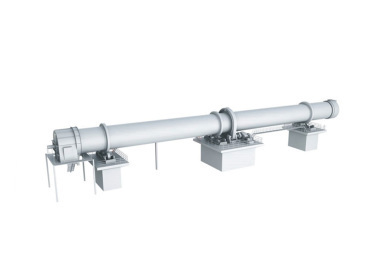
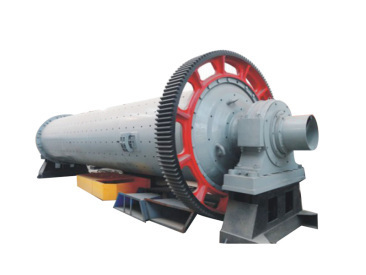
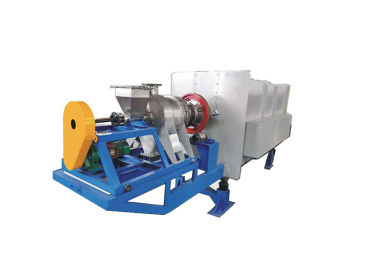
Solid Waste Incineration Kilns play a crucial role in the management of industrial waste, particularly within the manufacturing and processing sectors. These kilns are designed to efficiently combust solid waste, reducing its volume and minimizing environmental impact. The combustion process not only generates energy but also transforms waste into ash and flue gases, which can be further processed
Solid Waste Incineration Kilns play a crucial role in the management of industrial waste, particularly within the manufacturing and processing sectors. These kilns are designed to efficiently combust solid waste, reducing its volume and minimizing environmental impact. The combustion process not only generates energy but also transforms waste into ash and flue gases, which can be further processed or treated.
One of the primary advantages of using Solid Waste Incineration Kilns is their ability to handle a wide variety of waste materials. This adaptability makes them an ideal choice for industries producing diverse types of solid waste, such as construction debris and other by-products from manufacturing processes. By incinerating waste, companies can significantly decrease the amount of material sent to landfills, aligning with global sustainability goals and enhancing their corporate social responsibility profiles.
The operation of these kilns involves several critical components, including the feed system, combustion chamber, and emission control technologies. The feed system ensures that waste is consistently and accurately delivered into the combustion chamber, where high temperatures facilitate the breakdown of organic materials. Advanced kilns utilize sophisticated combustion control technologies to optimize the air-fuel mixture, promoting complete combustion and minimizing harmful emissions.
Another significant aspect of Solid Waste Incineration Kilns is their emission control systems. Modern kilns are equipped with advanced filtration and scrubbing technologies that capture particulates and toxic gases before they are released into the atmosphere. This not only complies with stringent environmental regulations but also protects public health and the environment, a vital consideration for industries focused on sustainable practices.
The energy produced from the incineration process can be harnessed for various applications, such as generating steam for heating or electricity production. This energy recovery aspect further enhances the efficiency of Solid Waste Incineration Kilns, making them a valuable asset for businesses looking to reduce energy costs while managing waste effectively.
In conclusion, Solid Waste Incineration Kilns represent a forward-thinking solution for companies in the manufacturing and processing sectors. By integrating these systems into waste management strategies, organizations can not only improve operational efficiency but also contribute to a more sustainable future. Emphasizing advanced technologies and rigorous emission controls will ensure that these kilns remain at the forefront of waste management innovation, helping businesses meet both their operational and environmental objectives.
One of the primary advantages of using Solid Waste Incineration Kilns is their ability to handle a wide variety of waste materials. This adaptability makes them an ideal choice for industries producing diverse types of solid waste, such as construction debris and other by-products from manufacturing processes. By incinerating waste, companies can significantly decrease the amount of material sent to landfills, aligning with global sustainability goals and enhancing their corporate social responsibility profiles.
The operation of these kilns involves several critical components, including the feed system, combustion chamber, and emission control technologies. The feed system ensures that waste is consistently and accurately delivered into the combustion chamber, where high temperatures facilitate the breakdown of organic materials. Advanced kilns utilize sophisticated combustion control technologies to optimize the air-fuel mixture, promoting complete combustion and minimizing harmful emissions.
Another significant aspect of Solid Waste Incineration Kilns is their emission control systems. Modern kilns are equipped with advanced filtration and scrubbing technologies that capture particulates and toxic gases before they are released into the atmosphere. This not only complies with stringent environmental regulations but also protects public health and the environment, a vital consideration for industries focused on sustainable practices.
The energy produced from the incineration process can be harnessed for various applications, such as generating steam for heating or electricity production. This energy recovery aspect further enhances the efficiency of Solid Waste Incineration Kilns, making them a valuable asset for businesses looking to reduce energy costs while managing waste effectively.
In conclusion, Solid Waste Incineration Kilns represent a forward-thinking solution for companies in the manufacturing and processing sectors. By integrating these systems into waste management strategies, organizations can not only improve operational efficiency but also contribute to a more sustainable future. Emphasizing advanced technologies and rigorous emission controls will ensure that these kilns remain at the forefront of waste management innovation, helping businesses meet both their operational and environmental objectives.
Recommend Content

The Crucial Role of Research and Development in Advancing Chemical Rotary Kiln Equipment
The Crucial Role of Research and Development in Advancing Chemical Rotary Kiln Equipment
Table of Contents
1. Introduction to Chemical Rotary Kiln Equipment
2. The Importance of Research and Development
2.1 Innovations in Chemical Rotary Kiln Design
2.2 Enhancing Efficiency Through R&D
2.3 Sustainability Initiatives in R&D
3. The R

Contact Phone
Contact Us
E-mail: dingxinliu@dingxinequipment.com
Address: Industrial Park, Gaoshan Town, Xingyang City, Zhengzhou City, Henan Province
Online message
SAF Coolest v1.3.1.2 设置面板 GEUSD-ZGIY-FXSWE-AXE
违禁词: First, best, first-class, leading, unique, king, leader, leader, extreme,
无数据提示
Sorry, the current column is being updated, please pay attention!