



Unlocking Potential: The Benefits of Ball Mills in Material Processing
Unlocking Potential: The Benefits of Ball Mills in Material Processing
Table of Contents
Introduction to Ball Mills in Material Processing
What Are Ball Mills?
How Ball Mills Work: The Mechanics Behind the Process
Advantages of Using Ball Mills in Manufacturing
Applications of Ball Mills in Various Industries
Choosing the Right Ball Mill for Your Needs
Maintenance and Care for Opt
Unlocking Potential: The Benefits of Ball Mills in Material Processing
Table of Contents
- Introduction to Ball Mills in Material Processing
- What Are Ball Mills?
- How Ball Mills Work: The Mechanics Behind the Process
- Advantages of Using Ball Mills in Manufacturing
- Applications of Ball Mills in Various Industries
- Choosing the Right Ball Mill for Your Needs
- Maintenance and Care for Optimal Performance
- Environmental Considerations in Ball Mill Operations
- Conclusion
- Frequently Asked Questions
Introduction to Ball Mills in Material Processing
In the realm of **manufacturing and material processing**, ball mills stand as a cornerstone technology. These versatile machines, engineered to grind various materials, play a pivotal role in enhancing the efficiency of production processes. By unlocking the potential of raw materials, ball mills significantly improve product quality while minimizing operational costs.
This article explores the numerous benefits of ball mills in material processing, focusing on their functionality, advantages, and applications across various industries.
What Are Ball Mills?
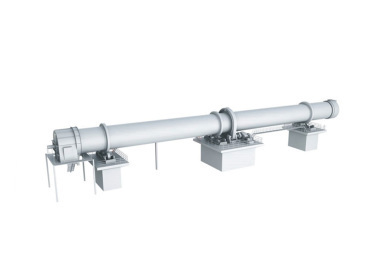
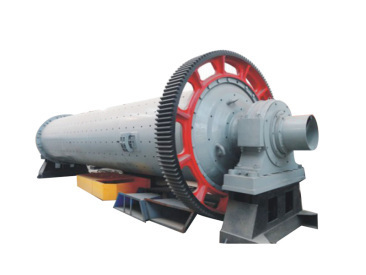
Ball mills are cylindrical machines that utilize **steel or ceramic balls** to crush and grind materials. They are crucial in industries such as cement, ceramics, paint, and pharmaceuticals. The materials, along with the grinding media, are placed inside the cylinder, which rotates to create a tumbling action that leads to the grinding process.
The construction of a ball mill typically consists of the following components:
- **Drive System**: This includes the motor and gear arrangement that rotates the mill.
- **Cylinder**: The main body, usually made of steel or rubber-lined, which contains the grinding media and materials.
- **Grinding Media**: Steel or ceramic balls that perform the grinding action.
- **Liners**: Protective coverings inside the mill that enhance the life of the grinding surface and help in effective grinding.
How Ball Mills Work: The Mechanics Behind the Process
Understanding the working principle of ball mills is essential for their effective application. The process begins when the raw material is fed into the mill. As the cylinder rotates, the balls are lifted up the sides and then cascade down. This action produces a **high-impact grinding** force that breaks down the material into finer particles.
The grinding efficiency is influenced by several factors, including:
- **Speed of Rotation**: The speed at which the mill rotates affects the energy transferred to the grinding media.
- **Size of Grinding Media**: The size and density of the balls impact the grinding process's effectiveness. Smaller balls tend to be more effective in grinding finer materials.
- **Filling Ratio**: The amount of material and grinding media in the mill affects the grinding efficiency. An optimal filling ratio ensures maximum contact between the media and the material.
Advantages of Using Ball Mills in Manufacturing
Ball mills offer a multitude of advantages that make them indispensable in material processing:
1. Superior Grinding Efficiency
Ball mills are known for their high grinding efficiency, providing uniform particle sizes. This consistency is critical in producing high-quality end products.
2. Versatility
From metals to ceramics and even pharmaceuticals, ball mills can handle a wide variety of materials, making them suitable for diverse industries.
3. Cost-Effectiveness
Investing in a ball mill can significantly reduce production costs. They require less energy compared to other grinding methods, leading to lower operational expenses.
4. Scalability
Ball mills can be easily scaled up or down based on production needs, making them ideal for businesses of all sizes.
5. Improved Product Quality
With the ability to produce finer materials, ball mills enhance the overall quality of the final product, which can be crucial in competitive markets.
Applications of Ball Mills in Various Industries
The versatility of ball mills allows their application across numerous sectors. Some notable examples include:
Cement Industry
In the cement industry, ball mills are used for grinding raw materials like limestone and clay before they are subjected to further processing.
Ceramics and Glass
Ball mills are essential in producing fine powders for ceramics and glass manufacturing, where uniform particle size and consistency are vital.
Pharmaceuticals
In the pharmaceutical sector, ball mills facilitate the grinding of active ingredients, ensuring uniformity in drug formulation.
Mining and Mineral Processing
Ball mills are used to grind ores and minerals, impacting the efficiency of extraction processes and enhancing yield.
Choosing the Right Ball Mill for Your Needs
Selecting the appropriate ball mill is critical to achieving desired outcomes. Factors to consider include:
1. Material Type
Different materials require specific types of mills. For instance, harder materials may need tougher grinding media.
2. Desired Particle Size
Identifying the required particle size for your end product helps determine the right mill configuration.
3. Production Volume
Assessing your production needs allows you to choose between batch and continuous ball mills, depending on your operational requirements.
4. Maintenance Requirements
Consider the ease of maintenance and the availability of spare parts when selecting a ball mill.
Maintenance and Care for Optimal Performance
To ensure ball mills operate at peak efficiency, regular maintenance is crucial. Key maintenance practices include:
1. Regular Inspections
Conducting routine checks on the mill's components helps identify wear and tear before it leads to significant issues.
2. Lubrication
Proper lubrication of the drive system and bearings minimizes friction, enhancing performance and extending equipment life.
3. Monitoring Wear Parts
Keeping an eye on the grinding media and liners for wear allows for timely replacements, ensuring consistent grinding efficiency.
Environmental Considerations in Ball Mill Operations
As industries strive to become more sustainable, ball mills can also be operated with environmental considerations in mind:
1. Energy Efficiency
Investing in energy-efficient ball mills reduces the carbon footprint associated with material processing.
2. Waste Reduction
Implementing effective waste management practices in ball mill operations minimizes environmental impact.
3. Noise Control
Using soundproofing materials can help reduce noise pollution associated with ball mill operations.
Conclusion
Ball mills represent a vital technology in material processing, offering a host of benefits that enhance production efficiency, product quality, and operational cost-effectiveness. Their versatility across various industries, combined with the ability to produce uniform particle sizes, makes them an invaluable asset for manufacturers. By choosing the right ball mill and implementing proper maintenance practices, businesses can maximize their potential and ensure sustainable operations.
Frequently Asked Questions
1. What materials can be processed in a ball mill?
Ball mills can process a wide range of materials, including metals, ceramics, and pharmaceuticals.
2. How does the size of the grinding media affect the grinding process?
The size of the grinding media impacts the particle size of the final product; smaller balls provide better grinding for finer materials.
3. Can ball mills be used for wet grinding?
Yes, ball mills can be used for wet grinding, where water or other liquids are added to the material being processed.
4. How do I know if my ball mill needs maintenance?
Signs such as unusual noise, reduced grinding efficiency, or increased vibrations may indicate the need for maintenance.
5. What are the safety considerations when operating a ball mill?
Safety precautions include wearing protective equipment, ensuring proper ventilation, and following operational guidelines to prevent accidents.
Recommend Content

Understanding Vertical Coolers: Essential Equipment for Building Material Processing
Vertical coolers are a crucial component in various industrial processes, particularly in the field of building material processing. These specialized cooling systems are designed to manage temperature and preserve the integrity of materials post-processing. Their application is diverse, ranging from cooling bulk materials to ensuring optimal storage conditions for different types of construction


Contact Phone
Contact Us
E-mail: dingxinliu@dingxinequipment.com
Address: Industrial Park, Gaoshan Town, Xingyang City, Zhengzhou City, Henan Province
Online message
SAF Coolest v1.3.1.2 设置面板 GEUSD-ZGIY-FXSWE-AXE
违禁词: First, best, first-class, leading, unique, king, leader, leader, extreme,
无数据提示
Sorry, the current column is being updated, please pay attention!