



Understanding High Temperature Rotary Kilns: Key Insights for the Manufacturing Industry
High temperature rotary kilns are critical components in various manufacturing processes, especially in the building materials sector. They are designed to operate at elevated temperatures, often exceeding 1400°C, making them essential for the thermal treatment of materials such as limestone, clay, and other raw materials in the production of cement and other construction materials. Understanding
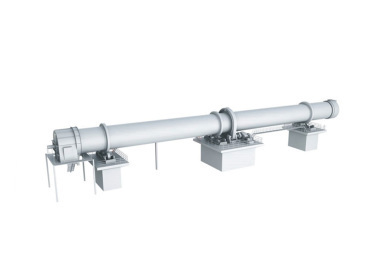
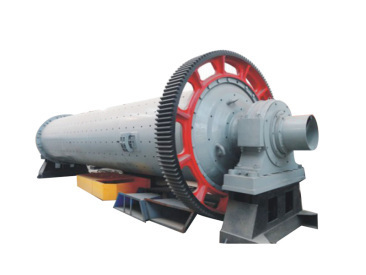
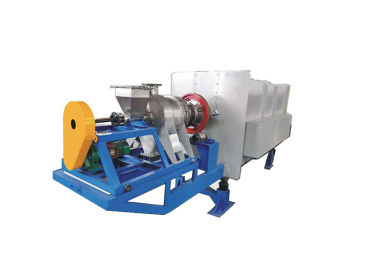
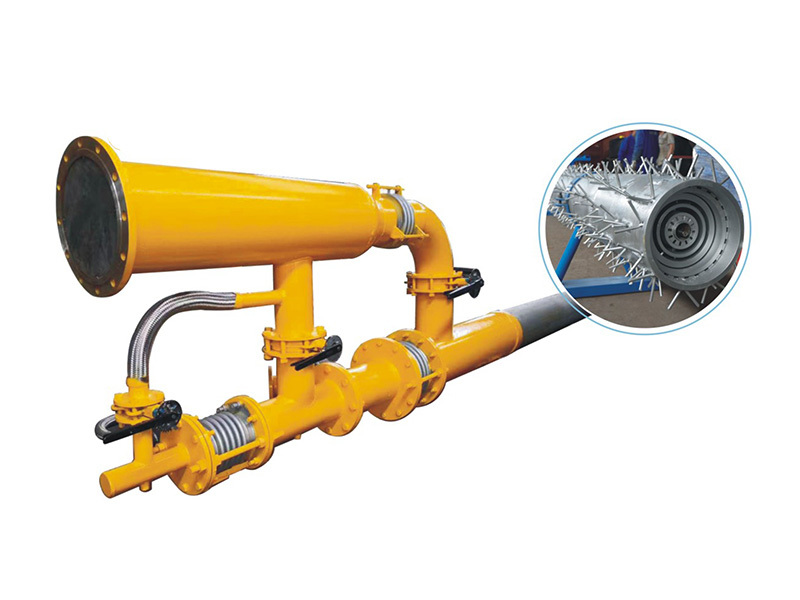
High temperature rotary kilns are critical components in various manufacturing processes, especially in the building materials sector. They are designed to operate at elevated temperatures, often exceeding 1400°C, making them essential for the thermal treatment of materials such as limestone, clay, and other raw materials in the production of cement and other construction materials. Understanding the operational principles and benefits of high temperature rotary kilns can significantly enhance efficiency and product quality in manufacturing.
The primary function of a high temperature rotary kiln is to facilitate the calcination process, which transforms raw materials into finished products through high heat. This process involves the chemical decomposition of substances, often resulting in the release of gases. The rotary motion of the kiln ensures a uniform distribution of heat and allows for continuous processing, which is vital for large-scale manufacturing operations.
High temperature rotary kilns are typically lined with refractory materials that can withstand extreme temperatures and prevent heat loss. These linings are essential for maintaining the thermal efficiency of the kiln while protecting its structural integrity. The choice of refractory material can significantly influence the kiln's performance, operational lifespan, and maintenance needs.
Moreover, the design of high temperature rotary kilns enables efficient heat transfer, which is crucial for optimizing energy consumption. Advanced control systems are often integrated to monitor and adjust the temperature and rotation speed, ensuring that the kiln operates at optimal conditions. This not only improves the quality of the end product, such as clinker in cement production, but also minimizes energy costs.
In addition to their primary function, high temperature rotary kilns can also be adapted for various applications, such as the production of activated carbon or the treatment of hazardous waste. Their versatility makes them invaluable assets in different manufacturing processes.
Another significant advantage of high temperature rotary kilns is their ability to handle a wide range of materials, from fine powders to coarse aggregates. This flexibility allows manufacturers to experiment with different raw materials and formulations, driving innovation in product development.
As industries continue to seek sustainable solutions, high temperature rotary kilns are also evolving to incorporate more efficient technologies. This includes the use of alternative fuels and energy recovery systems that reduce the overall carbon footprint of the manufacturing process.
In conclusion, high temperature rotary kilns are indispensable in the manufacturing of building materials. Their ability to operate at extreme temperatures, coupled with advanced design and control features, makes them essential for producing high-quality products efficiently. Understanding the intricacies of these kilns can enable manufacturers to optimize their processes and improve their competitive edge in the market.
The primary function of a high temperature rotary kiln is to facilitate the calcination process, which transforms raw materials into finished products through high heat. This process involves the chemical decomposition of substances, often resulting in the release of gases. The rotary motion of the kiln ensures a uniform distribution of heat and allows for continuous processing, which is vital for large-scale manufacturing operations.
High temperature rotary kilns are typically lined with refractory materials that can withstand extreme temperatures and prevent heat loss. These linings are essential for maintaining the thermal efficiency of the kiln while protecting its structural integrity. The choice of refractory material can significantly influence the kiln's performance, operational lifespan, and maintenance needs.
Moreover, the design of high temperature rotary kilns enables efficient heat transfer, which is crucial for optimizing energy consumption. Advanced control systems are often integrated to monitor and adjust the temperature and rotation speed, ensuring that the kiln operates at optimal conditions. This not only improves the quality of the end product, such as clinker in cement production, but also minimizes energy costs.
In addition to their primary function, high temperature rotary kilns can also be adapted for various applications, such as the production of activated carbon or the treatment of hazardous waste. Their versatility makes them invaluable assets in different manufacturing processes.
Another significant advantage of high temperature rotary kilns is their ability to handle a wide range of materials, from fine powders to coarse aggregates. This flexibility allows manufacturers to experiment with different raw materials and formulations, driving innovation in product development.
As industries continue to seek sustainable solutions, high temperature rotary kilns are also evolving to incorporate more efficient technologies. This includes the use of alternative fuels and energy recovery systems that reduce the overall carbon footprint of the manufacturing process.
In conclusion, high temperature rotary kilns are indispensable in the manufacturing of building materials. Their ability to operate at extreme temperatures, coupled with advanced design and control features, makes them essential for producing high-quality products efficiently. Understanding the intricacies of these kilns can enable manufacturers to optimize their processes and improve their competitive edge in the market.
Recommend Content

Understanding Solid Waste Incineration Kilns: A Comprehensive Guide
Solid waste incineration kilns play a pivotal role in the efficient disposal of waste materials, particularly in the manufacturing and construction sectors. These kilns are designed to burn solid waste at high temperatures, effectively converting waste into ash, flue gas, and heat. The process not only minimizes the volume of waste but also allows for the recovery of energy, making it an environme

Contact Phone
Contact Us
E-mail: dingxinliu@dingxinequipment.com
Address: Industrial Park, Gaoshan Town, Xingyang City, Zhengzhou City, Henan Province
Online message
SAF Coolest v1.3.1.2 设置面板 GEUSD-ZGIY-FXSWE-AXE
违禁词: First, best, first-class, leading, unique, king, leader, leader, extreme,
无数据提示
Sorry, the current column is being updated, please pay attention!